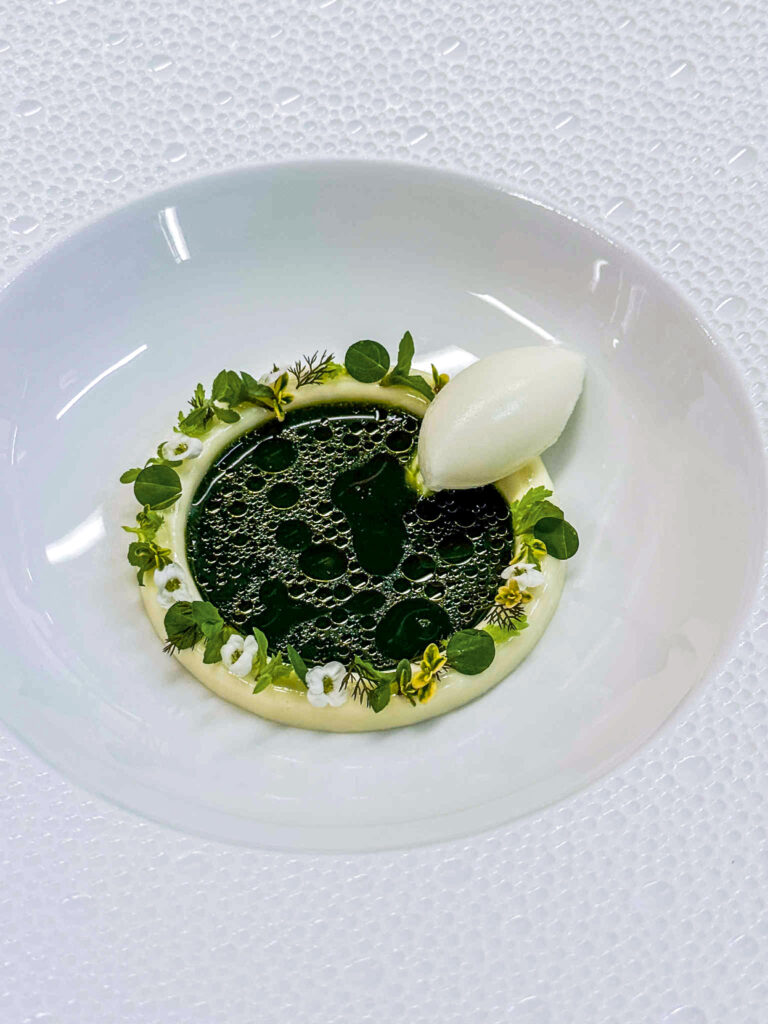
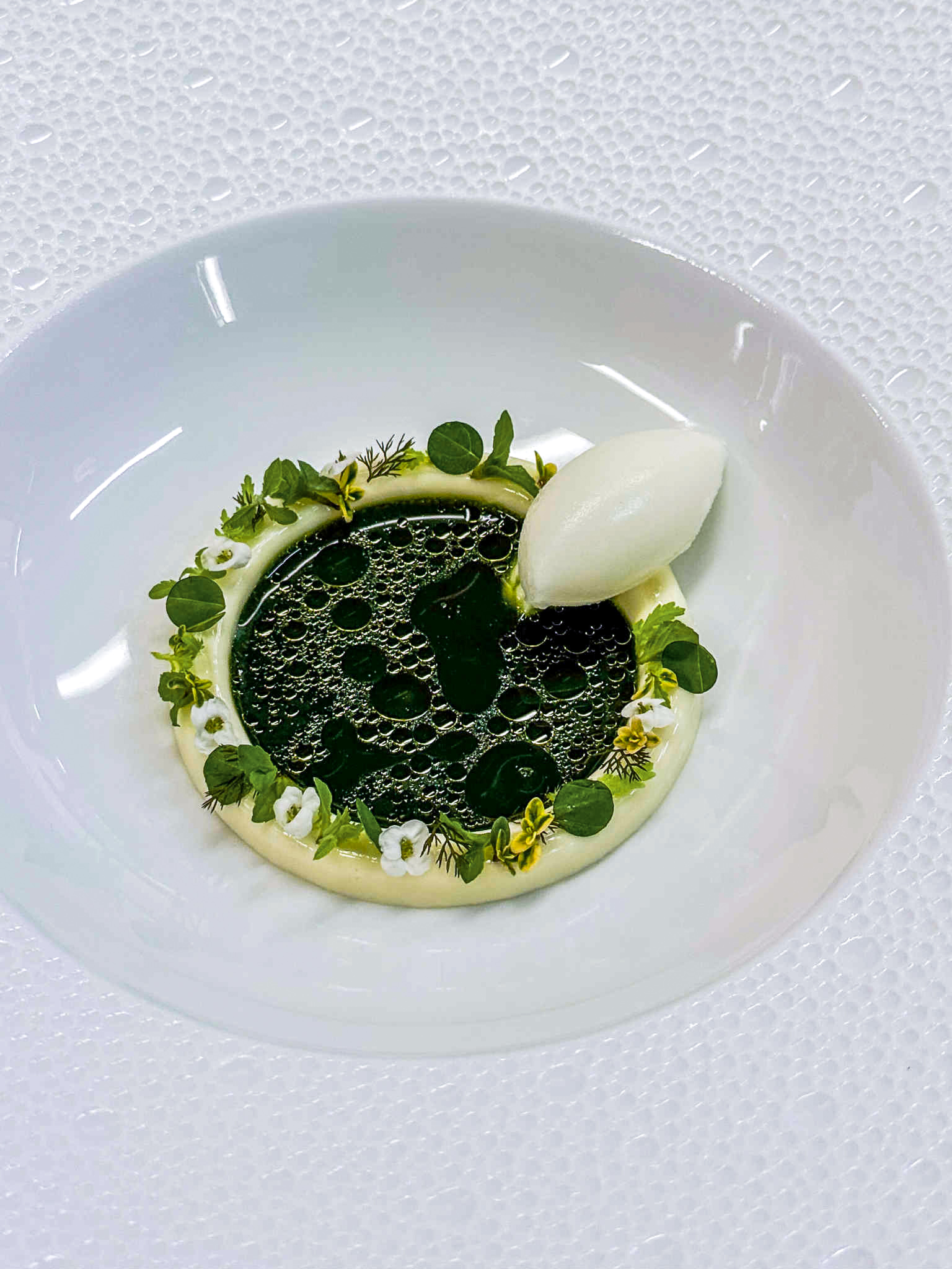
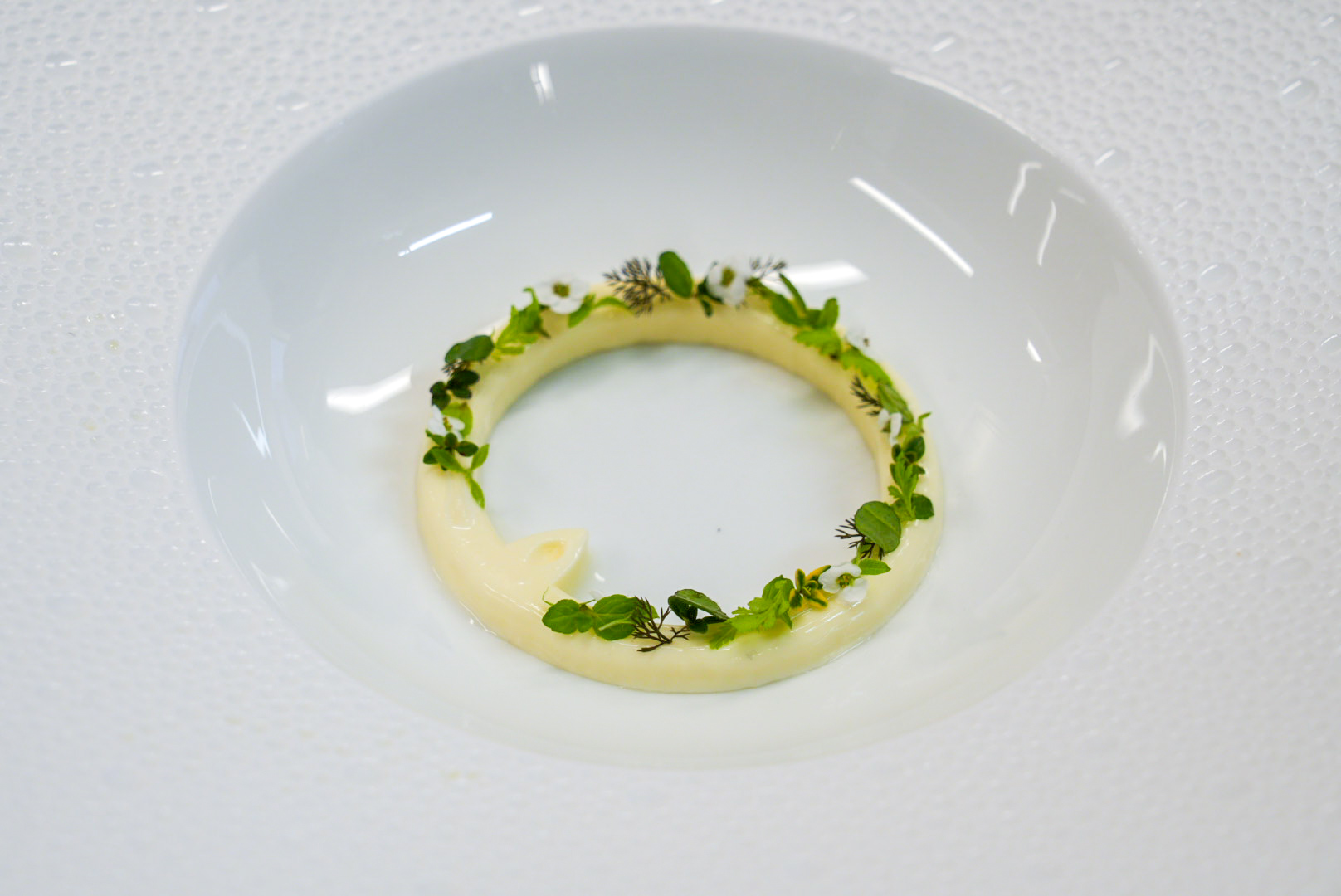
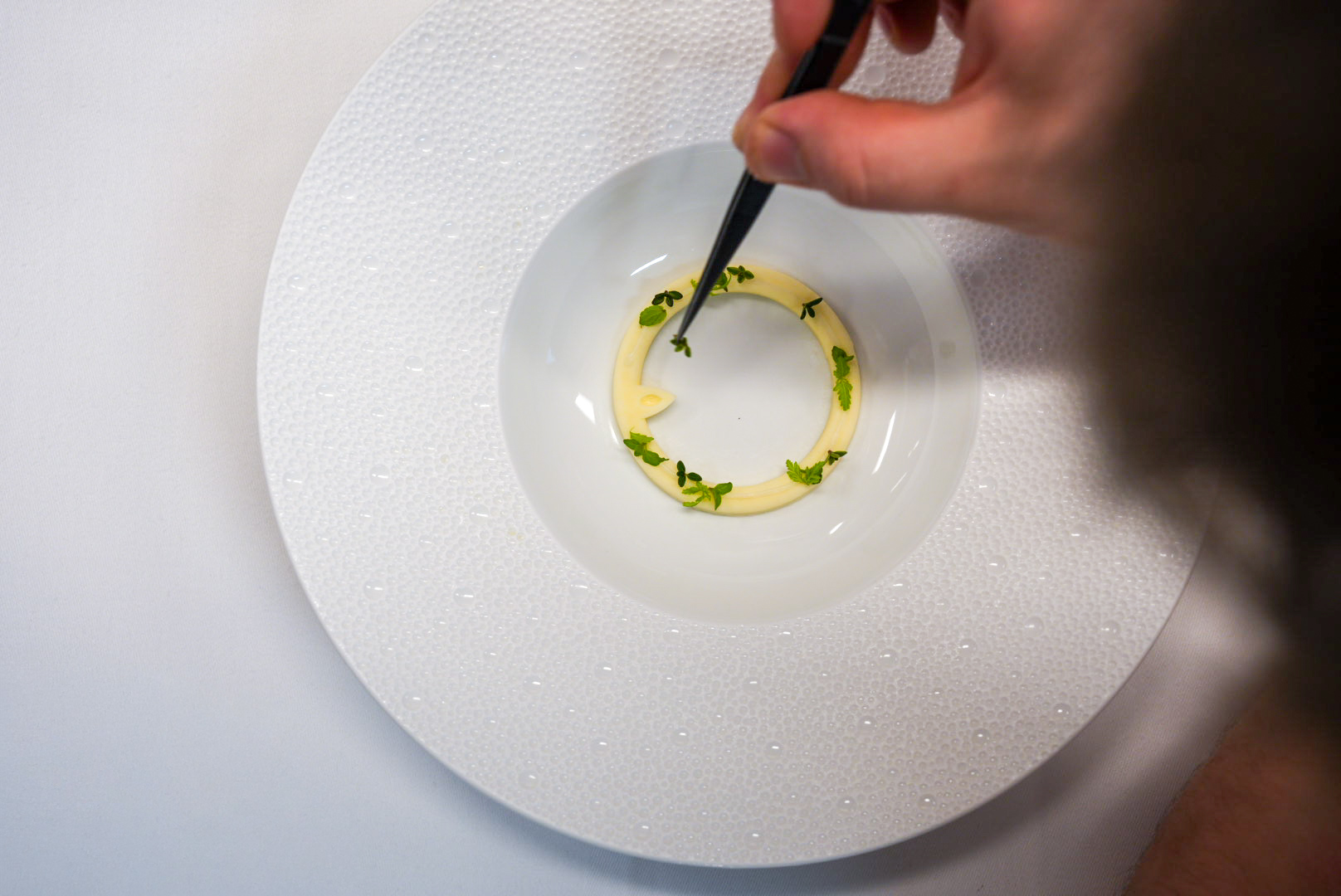
This plated dessert from Restaurant Jordnær combines sheep milk sorbet with sorrel and a frozen parfait ring to create a refined balance between acidity, fat, and texture.
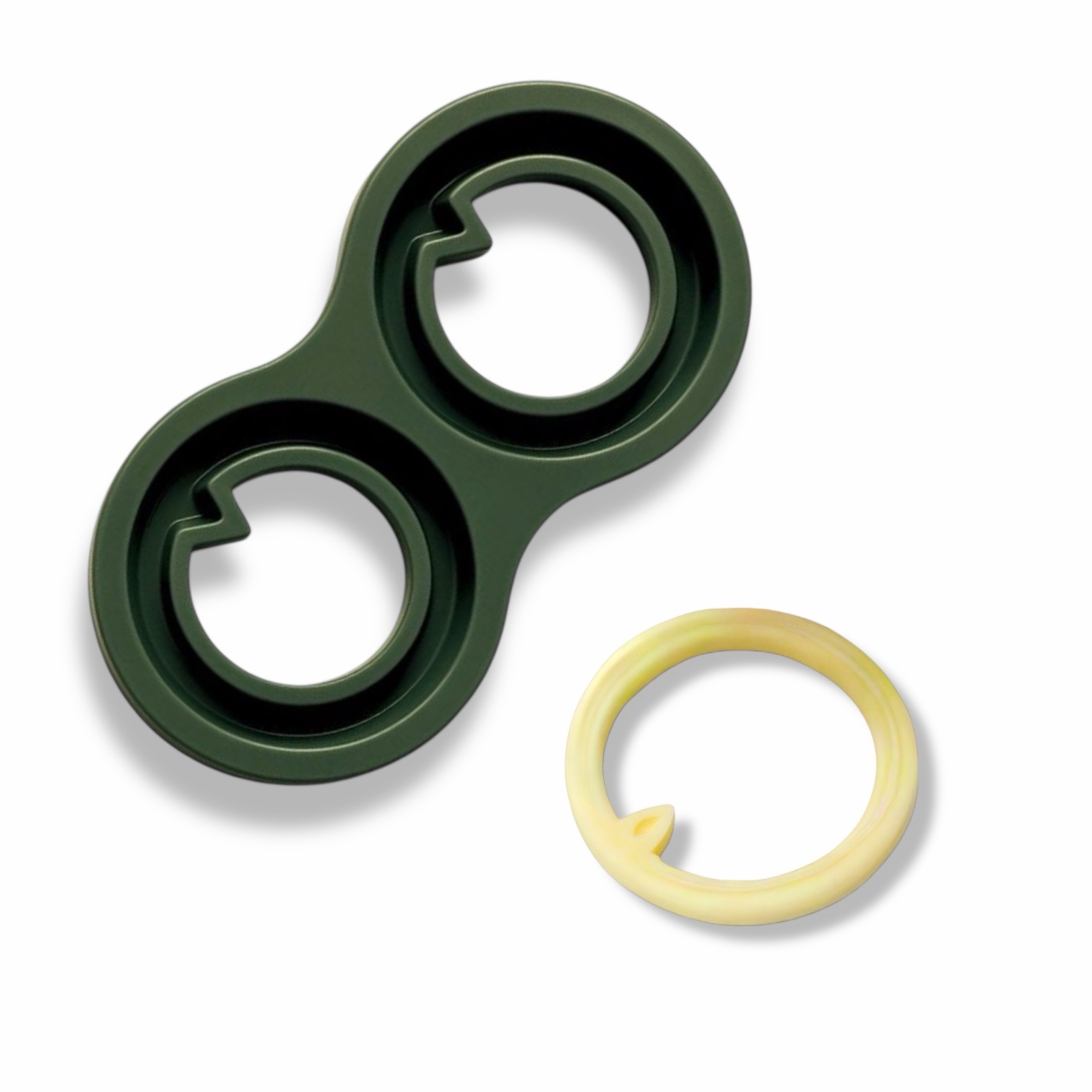
In modern fine dining, desserts are not only about flavour – they are about precision. Using a siliconen mal, chefs can create consistent shapes that elevate both presentation and workflow.
This dessert, referred to as the Nordic Halo, is a strong example of how technique and tools come together to create a clean, modern plated dessert.
What Is a Plated Dessert?
A plated dessert is a composed dish where each element is carefully placed to create balance in flavour, texture, and visual presentation.
Unlike traditional desserts, plated desserts focus on:
- precisie
- contrast
- temperature control
- clean aesthetics
In professional kitchens, silicone molds are often used to ensure consistency across every plate.
Why Use a Silicone Mold?
Silicone molds allow chefs to:
- create identical shapes every time
- achieve smooth surfaces and clean edges
- release frozen desserts easily
- improve efficiency during service
For desserts like this, the mold is not just a tool – it is part of the technique – check out the Nordic Halo Silicone Mold used in this recipe
Chef Technique Behind the Dessert
What defines this dessert is not complexity — but control:
- temperature management (frozen vs soft)
- texture contrast (creamy vs sharp)
- clean geometry (molded shape)
- balanced acidity (sorrel vs dairy)
These details are what separate a plated dessert from a standard recipe.
Common Mistakes
- Not freezing long enough → structure collapses
- Removing from mold too early → surface damage
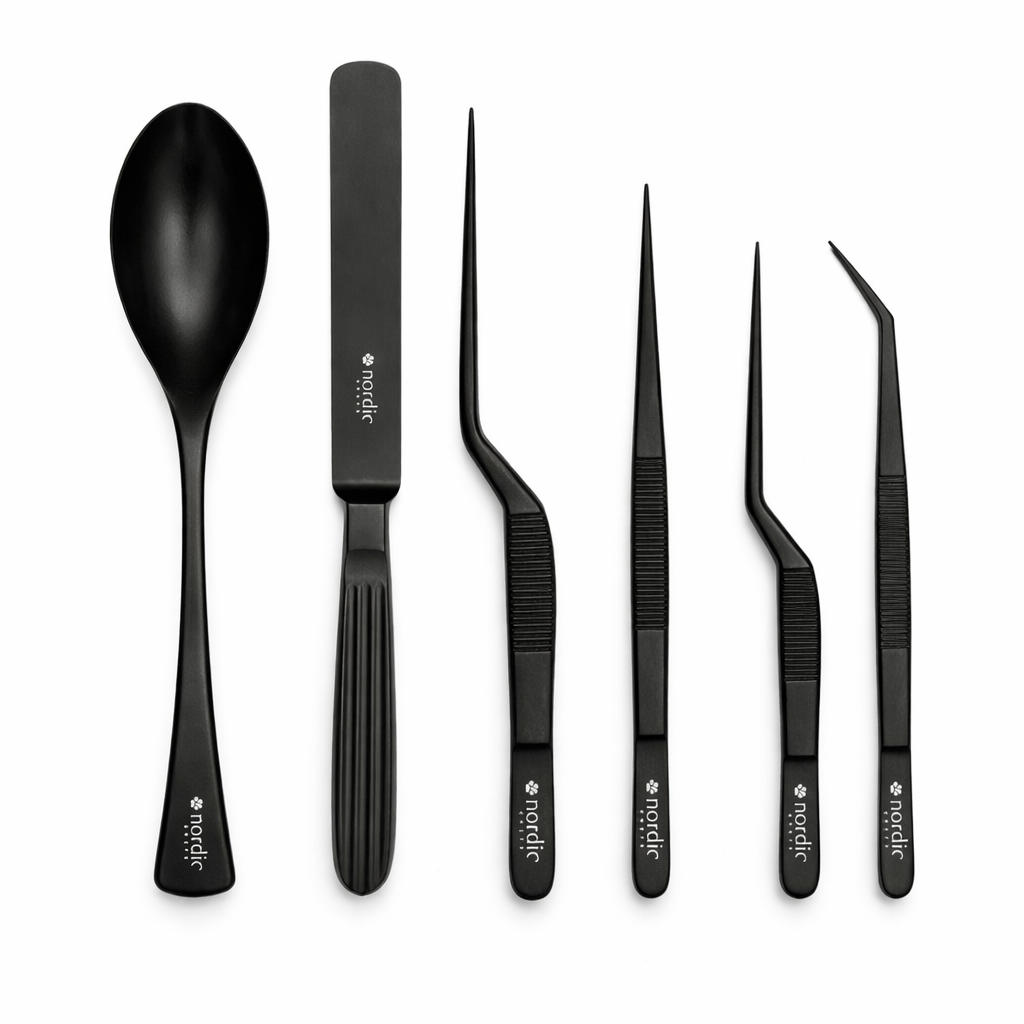
- Sorbet too cold → cannot quenelle (Check out our selection of quenellelepels)
- Poor balance → dessert becomes heavy
See our other michelin dessert made together with Restaurant MOTA – Lobster Dessert Recipe