Fine Dining Cheese Tuile Recipe from Restaurant MOTA
Learning how to make a cheese tuile is one of the easiest ways to elevate plating in modern gastronomy. A crisp savory tuile adds texture, elegance, and visual precision to both savory dishes and fine dining desserts.
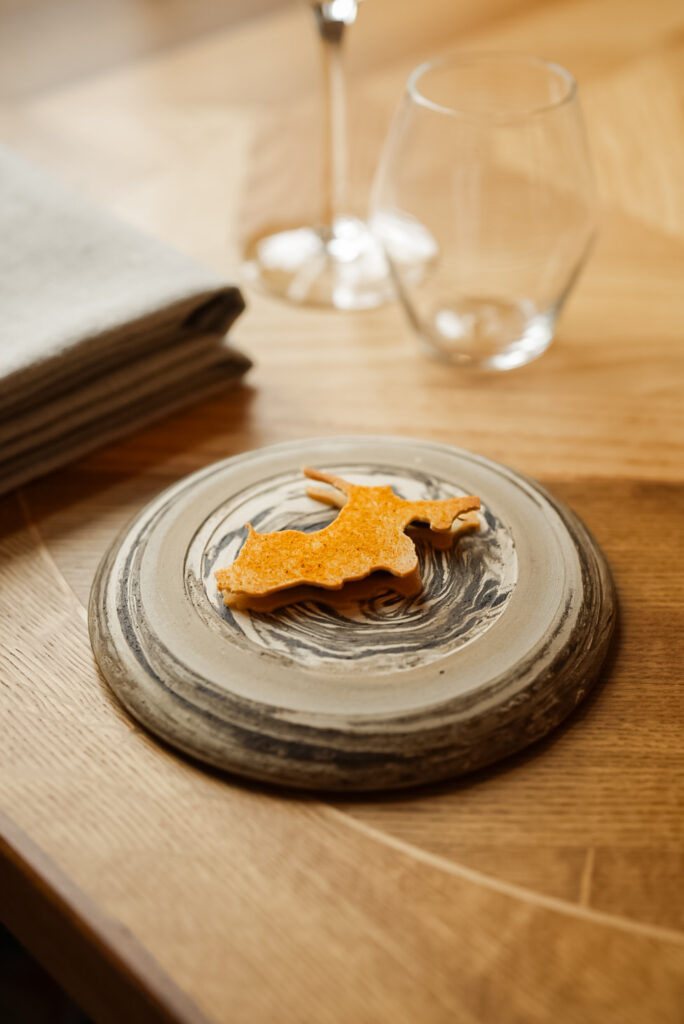
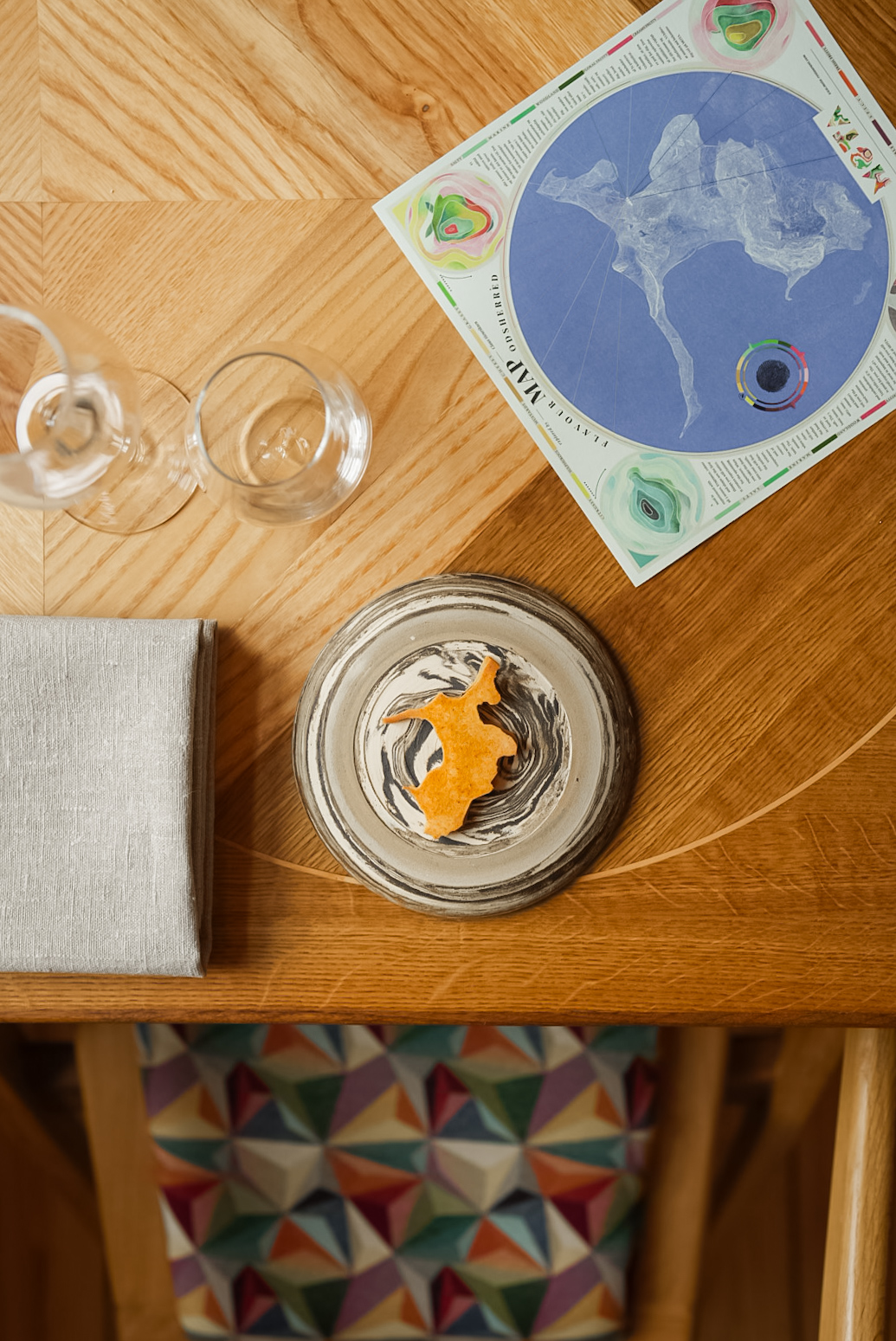
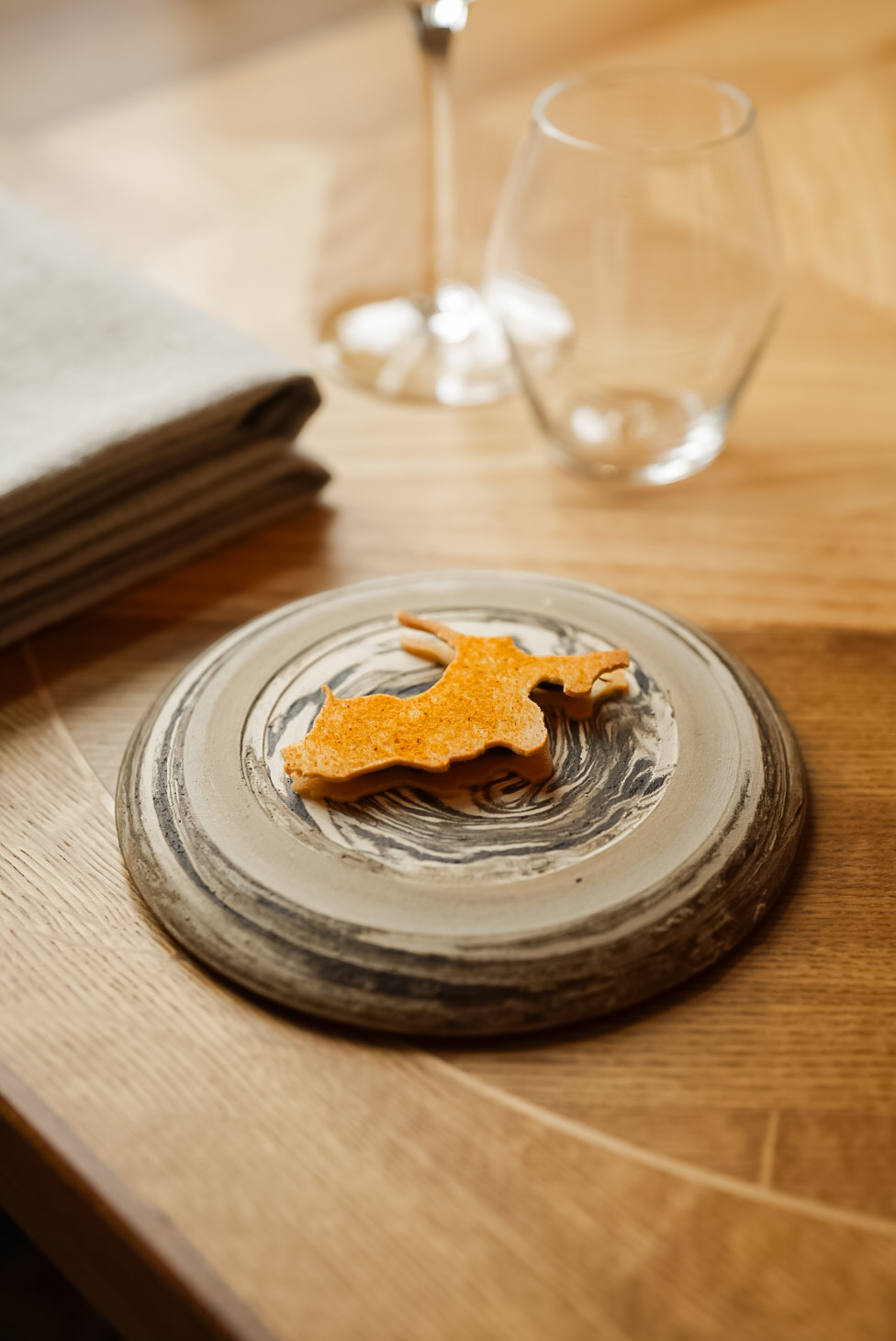
In this Michelin-inspired recipe, Claus Henriksen from Restaurant MOTA demonstrates how a simple cheese tuile can become a signature element through technique, presentation, and custom molds developed together with Nordic Chefs.
This recipe combines a crisp Skovland Maestro cheese tuile with smoked cod roe mayonnaise and highlights how professional kitchens use custom molds to create consistent presentation during service. Some would argue that this incredible cheese snack taste just like Cheese Dippers.
What Is a Cheese Tuile?
A cheese tuile is a thin, crisp garnish used in modern fine dining to add texture and structure to a dish. Savory tuiles are often made with cheese, flour, butter, and egg whites before being baked into delicate crispy shapes.
Chefs commonly use cheese tuiles to:
- Add crunch and texture
- Introduce visual height
- Create elegant plating
- Reinforce restaurant identity with custom molds
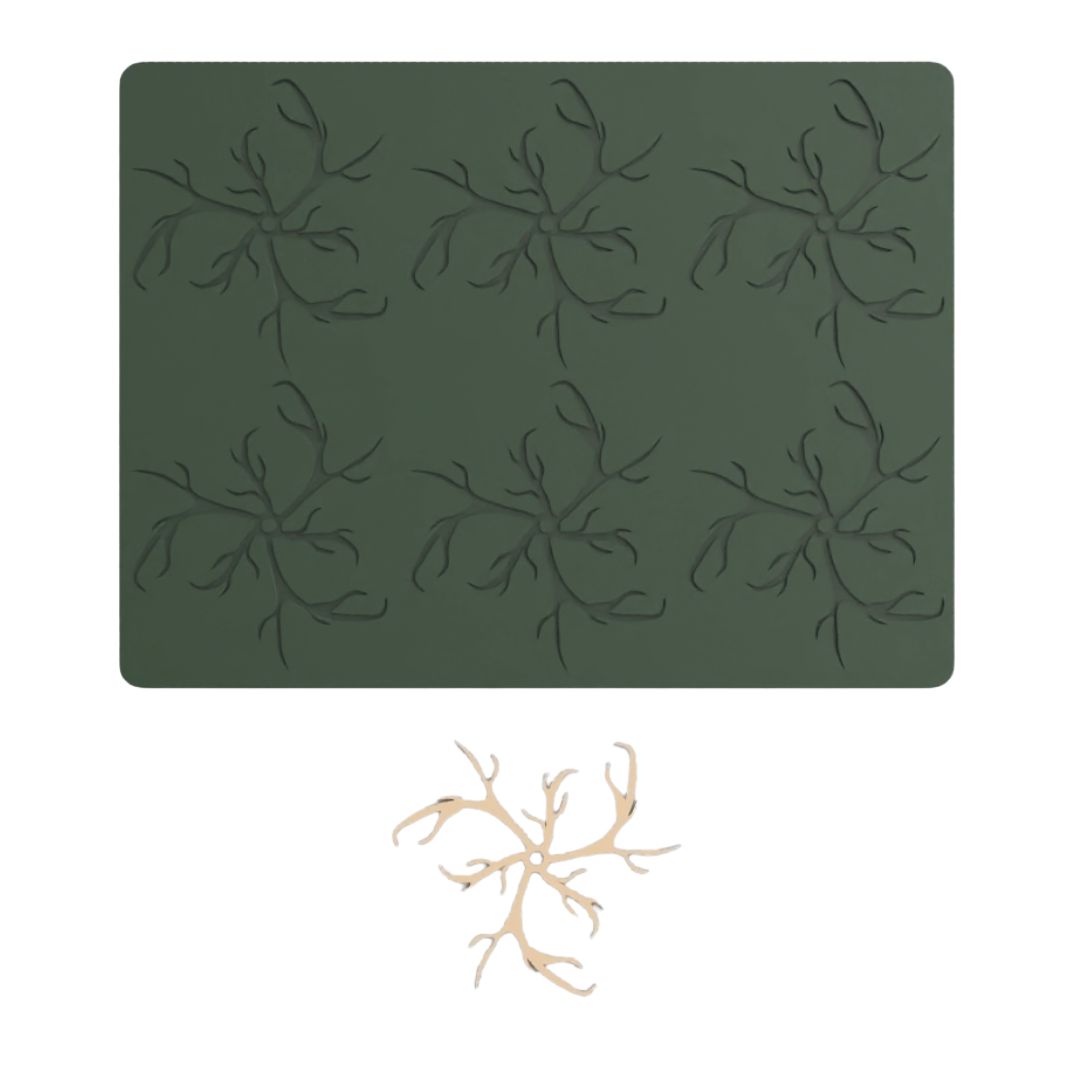
In Michelin-level kitchens, tuiles are frequently customized using silicone molds or branded patterns to create unique presentations that are repeatable during service.
Why Michelin Restaurants Use Custom Tuile Molds
At Restaurant MOTA, Claus Henriksen worked together with Nordic Chefs to develop a custom logo tuile mold, allowing the restaurant’s visual identity to become part of the guest experience.
Custom molds are increasingly used in professional kitchens because they:
- Improve consistency
- Speed up workflow
- Create recognizable plating
- Help restaurants build signature presentations
Nordic Chefs develops custom silicone molds, croustade systems, quenelle spoons, and plating tools for fine dining restaurants worldwide.
Fine Dining Plating Techniques
In modern gastronomy, presentation is approached with the same level of precision as cooking. Delicate garnishes like savory tuiles require consistency in thickness, shape, and placement.
Professional chefs often use:
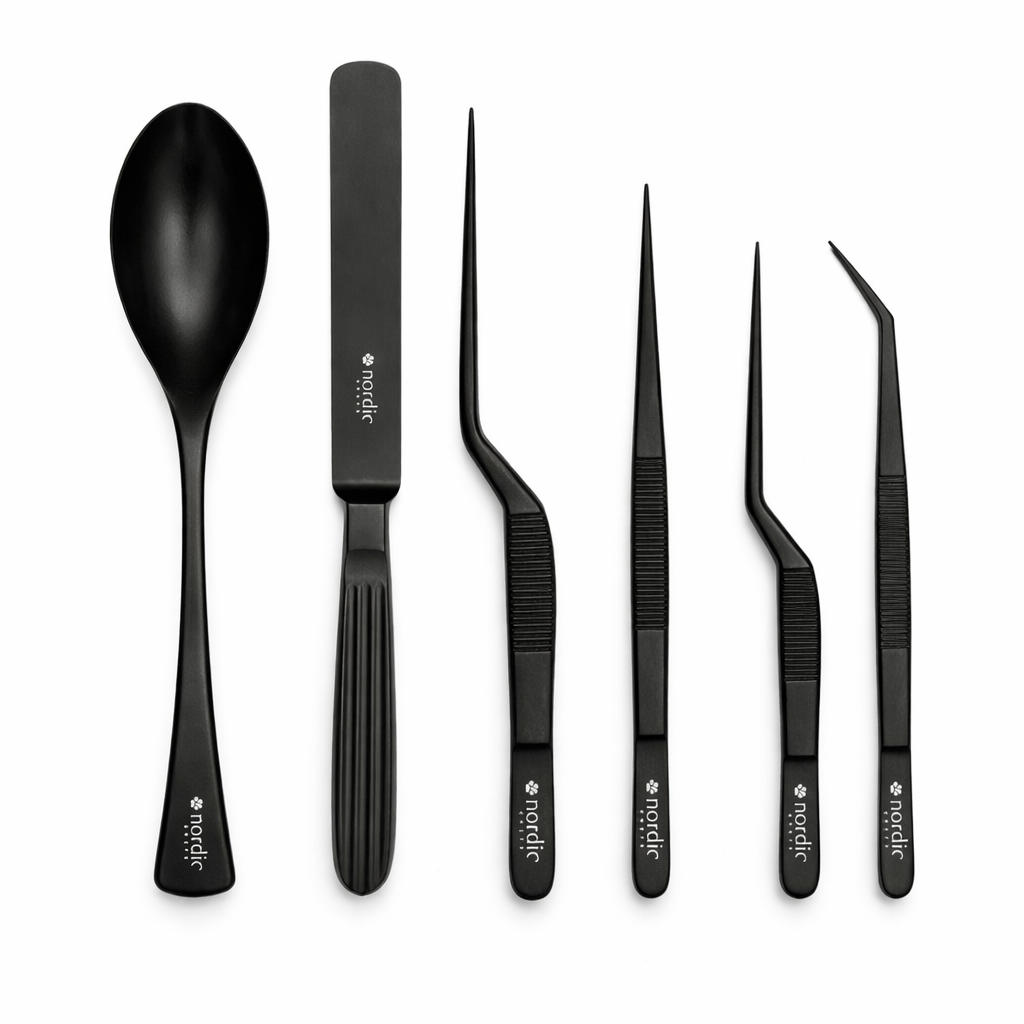
- Plating tweezers for precise adjustments
- Quenelle spoons for elegant shaping
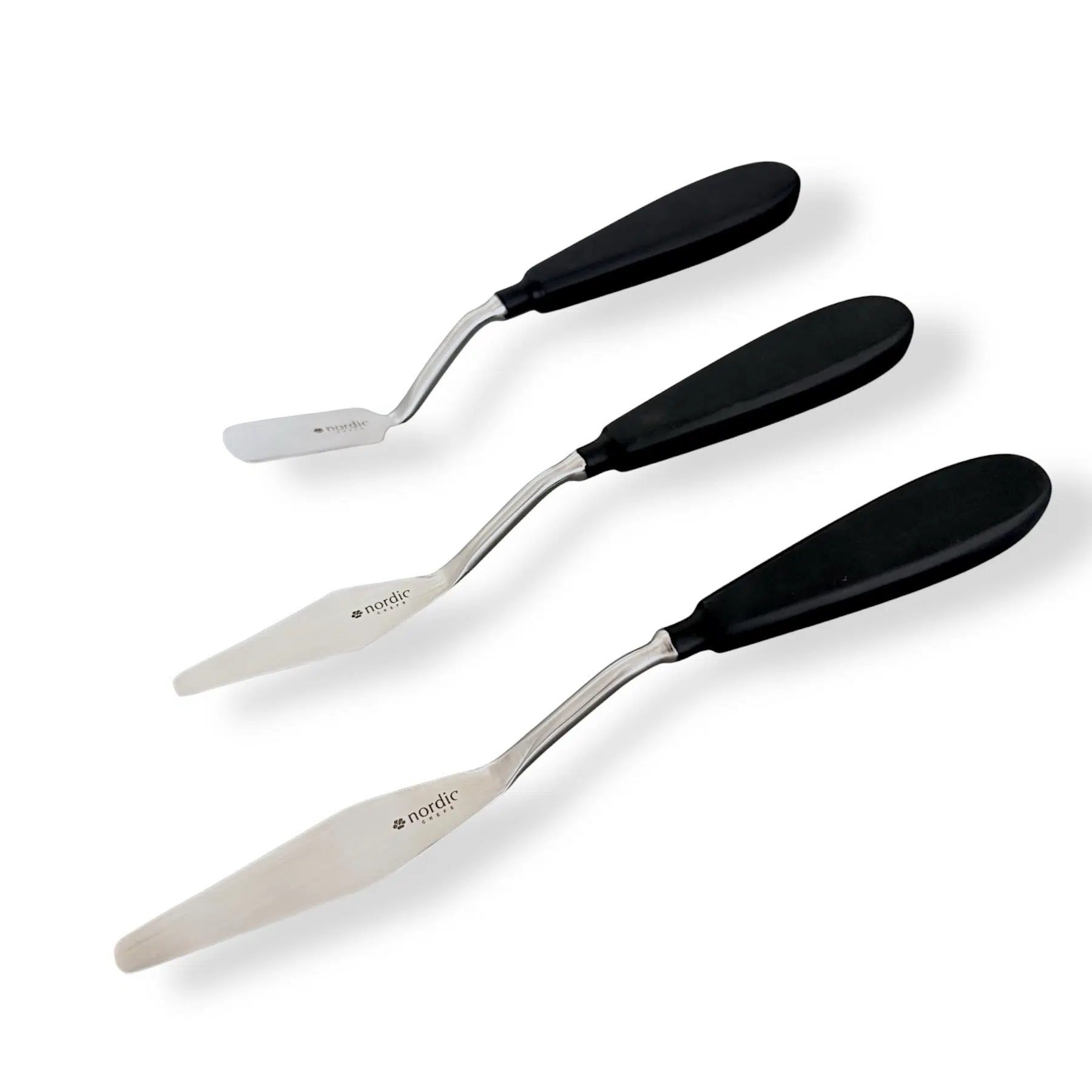
- Offset spatulas for delicate placement
- Custom molds for repeatable plating
These tools help restaurants maintain consistency during service while strengthening their own visual identity.
Explore our professional:
Cheese Tuiles in Modern Fine Dining
Savory cheese tuiles are widely used in Michelin-starred restaurants because they combine:
- Crisp texture
- Elegant presentation
- Strong visual contrast
- Lightweight structure
They can be paired with seafood, tartare, creams, desserts, or croustades to create layered textures and refined plating compositions.
Explore More Fine Dining Recipes
Looking for more Michelin-inspired recipes and plating techniques?
Explore:
- The famous Lobster Dessert Recipe by Claus Henriksen
- Our guide on Hoe maak je een quenelle
- The complete Croustade & Rosette Recipe Guide
- The best Bunuelos Recipe by Eric Vildgaard