
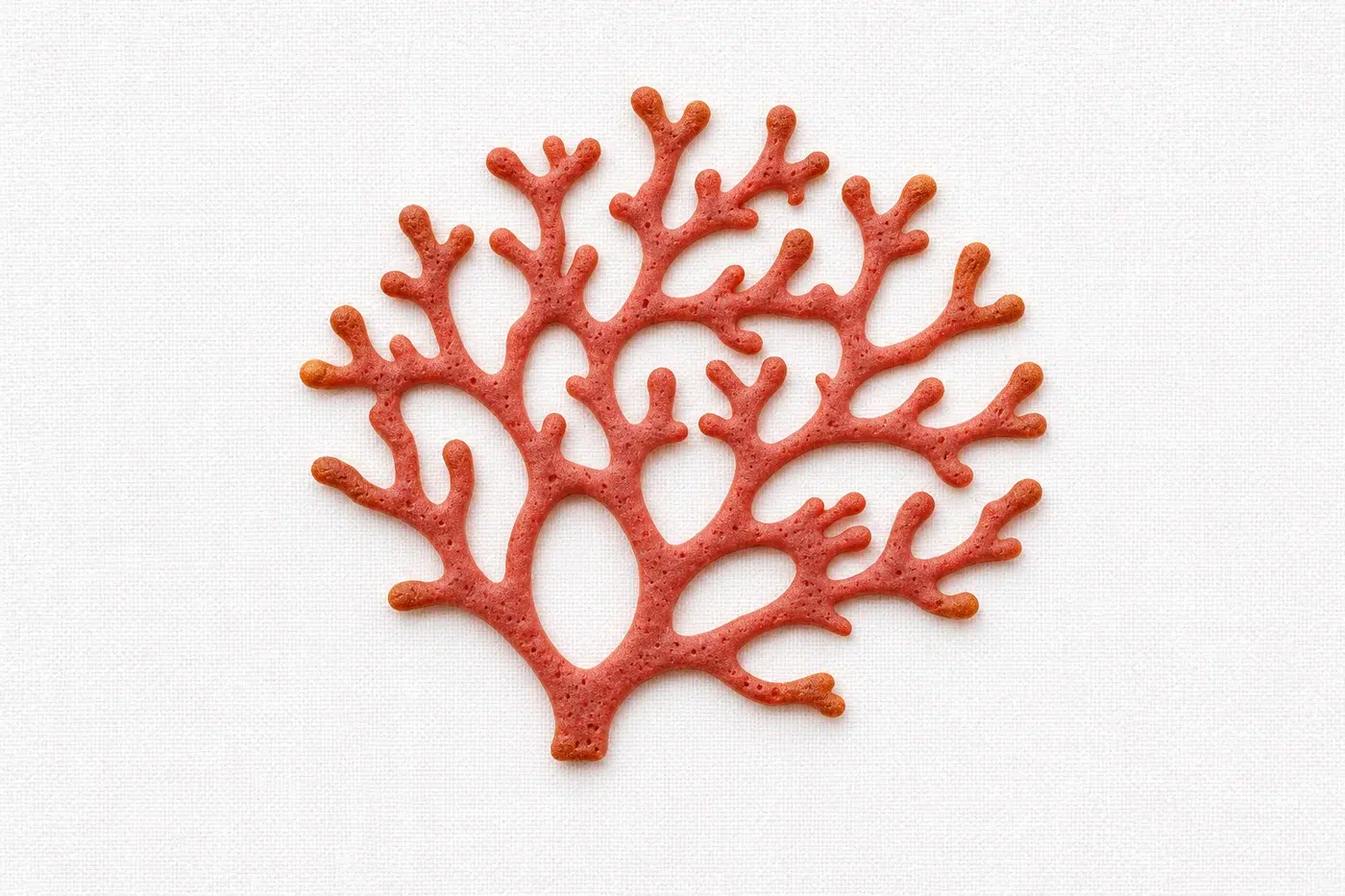
Red Coral Tuile with Lobster Oil and Tomato
A savoury baked coral tuile with lobster oil and concentrated tomato for scallop, crab or langoustine.
Tools for this recipe
The equipment linked below uses the current Nordic Chefs product options, prices and availability.
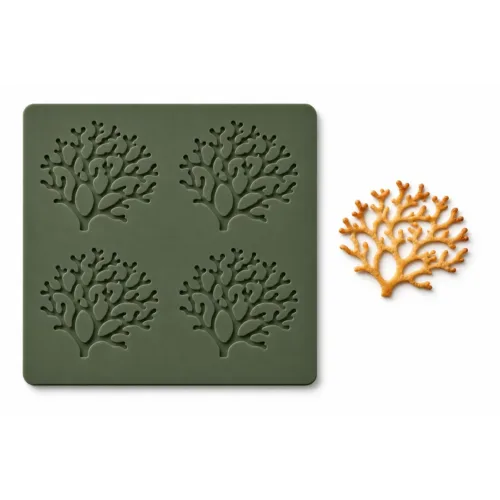
Coral Tuile Mold
Use the existing Nordic Chefs product page for current options, compatibility, price and availability.
Made to order
Add to cartProduct details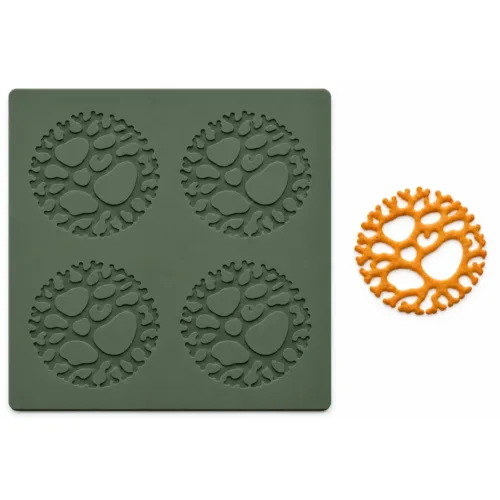
Round Coral Tuile Mold
Use the existing Nordic Chefs product page for current options, compatibility, price and availability.
Made to order
Add to cartProduct detailsLobster oil and tomato coral tuile
Ingredients and method from the original Nordic Chefs recipe.
Print recipeIngredients
- 50 g egg white
- 30 g finely strained lobster oil
- 35 g plain wheat flour
- 6 g cornflour (cornstarch)
- 7 g double-concentrated tomato purée
- 1 g fine salt
Method
- Preheat a fan oven to 150°C without steam. Put a clean, dry coral tuile mold on a level baking tray.
- Stir the tomato purée and salt into the egg white. Blend in the lobster oil in a thin stream, keeping the blender head submerged. Sift in the flour and cornflour and mix just until smooth. Rest for 15 minutes in the refrigerator.
- Work a little batter into one cavity with a small offset spatula, first across the branches and then along them. Check that the channels meet at every junction. Scrape the raised silicone clean so the openings stay clear.
- Bake the first impression for 8 minutes, then check at one-minute intervals. As a starting range, allow 8–12 minutes. Look for a matte centre and tips that lift cleanly. If the centre feels tacky, give it another minute.
- Let the surface set briefly. Turn the mold over and peel the silicone back from the broadest part, supporting the tuile as the tips release. Cool flat on a rack and taste. Adjust the next tray to suit your oven.
- Store fully cooled tuiles in an airtight container. Add to the plate just before serving, away from any pooled sauce.
This red coral tuile gets its shellfish flavour from lobster oil and its warm red-orange colour from concentrated tomato. Bake it as a branching fan to stand beside a scallop, or as a round lattice to cover a crab tartlet. Break through the crisp and you get the scent of lobster before the filling.
Choosing a coral tuile mold
For height, use the Coral Tuile Mold and nest the stem in a little fennel purée. For a flat garnish, use the Round Coral Tuile Mold and rest its edges on the rim of a tartlet. Each mold makes four matching impressions.
How to keep the coral pattern open
A pan-fried lace tuile develops holes as water evaporates. In this baked version, the raised silicone defines every opening. Hold the spatula nearly flat to fill the narrow channels, then lift the blade to scrape the surface clean. A thin film across the silicone will bake into a veil between the branches.
What to serve with a red coral tuile
On a warm scallop with fennel and apple
Spoon a small mound of fennel purée beside a seared scallop. Press the short stem into the purée so the fan stands upright. A few cubes of tart apple bring acidity to the sweet shellfish. Spoon warm lobster sauce around the scallop and keep the tips clear of the sauce.
Over a crab tartlet
Dress picked white crab meat lightly with lemon zest, chives and crème fraîche. Fill the shell just below the rim and lay the round coral tuile across it at the pass. Choose a shell slightly narrower than the tuile so the rim supports the crisp above the filling.
Alongside a cup of langoustine bisque
Serve the branching tuile on a small side plate with a dot of saffron aioli at its base. The guest can break off a branch and dip it into the bisque while the rest stays crisp.
Chef’s notes for service
If the tips break during release, turn the mold face down and roll the silicone away while supporting the centre of the tuile. If the centre sticks or bends, bake the next test piece a minute longer before checking again.
If the openings fill in, scrape the flat silicone clean before baking. Look across the mold at worktop height. Any batter bridging the raised islands will form a thin film.
For mise en place, let the tuiles cool completely before closing the container. Plate the garnish last. For the cleanest silhouette, grip the thick junction just above the stem.
Tools for plating and tartlets
 SuperFine curved-tip tweezersGrip the base to place a single branch beside a scallop.
 Scallop Tartelette MoldMake a shell-shaped tartlet for a crab filling and a small coral garnish.
For a different silhouette, explore the Branch Tuile Mold and the full range of silicone tuile molds.
More recipes for tuiles and shellfish
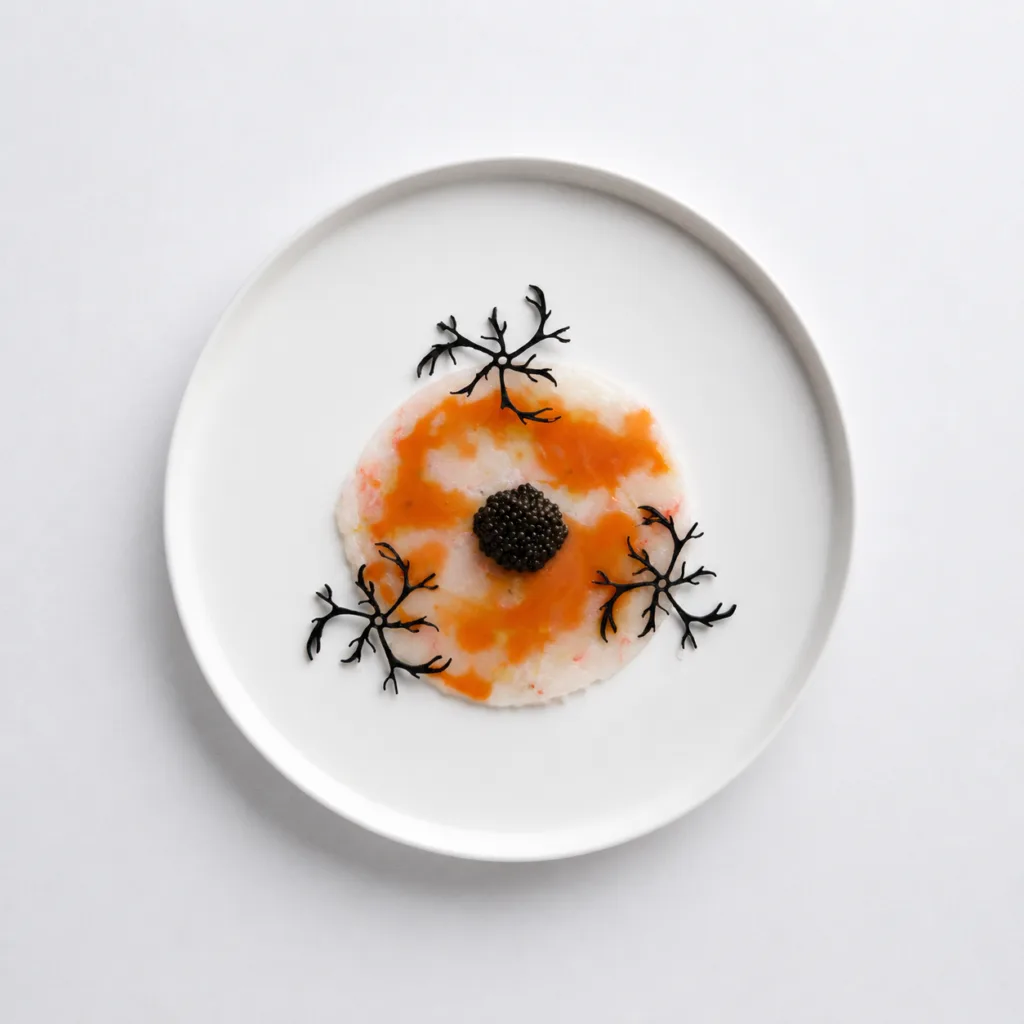 Squid ink tuileA black branch to finish pale fish or shellfish.
 Cheese tuile with smoked cod roeClaus Henriksen’s savoury canapé pairs a crisp wafer with a creamy filling.
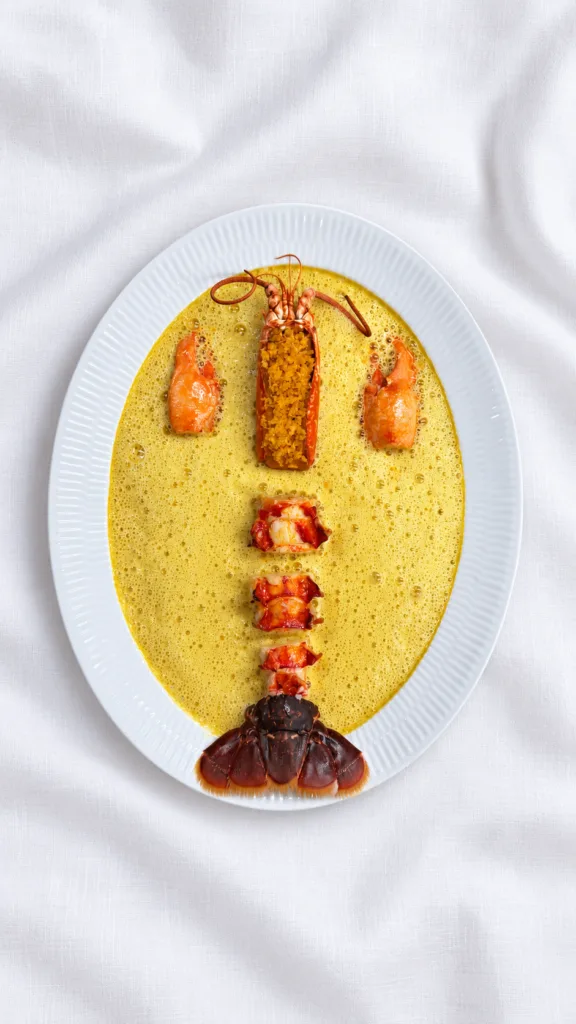 Lobster sauce with saffronServe August Theil’s sauce around a seared scallop and finish with a red coral branch.
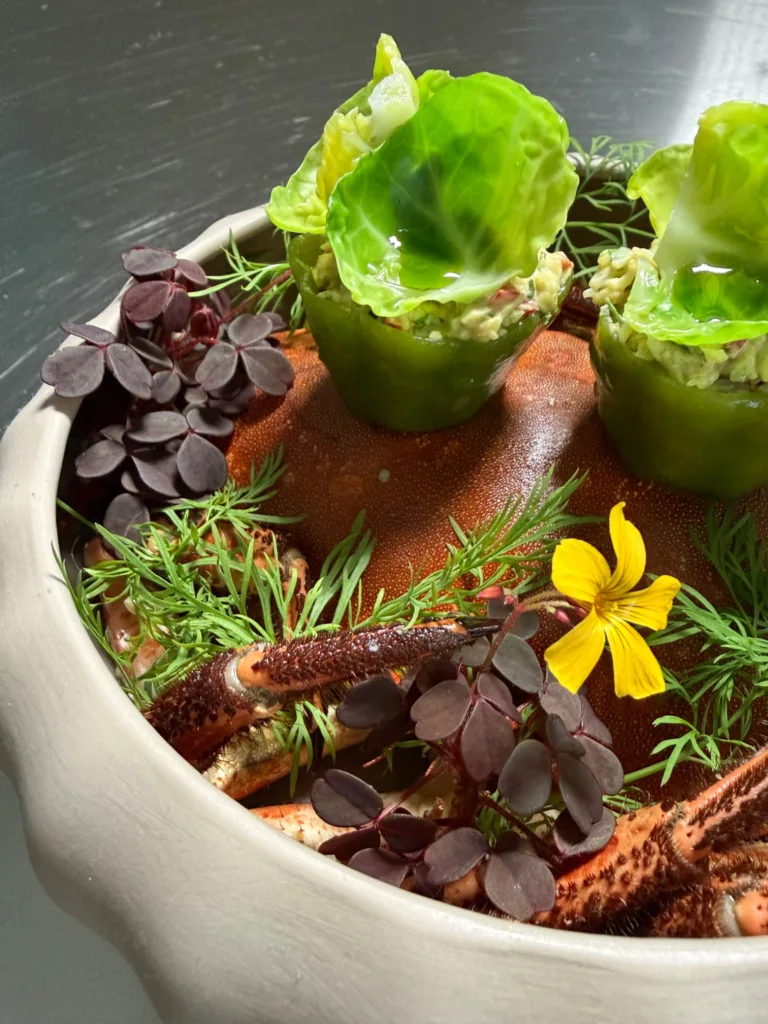 Cucumber jelly croustade with crabUse the crab and horseradish pairing as inspiration for a cold shellfish bite.