Hvorfor hummer fungerer perfekt i sprøde tærteformer
Hummer er en af de mest populære ingredienser i fine dining-canapeer og tærteopskrifter på grund af dens naturligt søde smag og delikate tekstur. Når den parres med en sprød tærteskal, skaber kontrasten mellem det sprøde ydre og den møre hummer en mere komplet spiseoplevelse.
Mange kokke bruger hummer tarteletter som en del af smagsmenuer, kanapé-service eller amuse-bouche-præsentationer, fordi de kan tilberedes effektivt, samtidig med at de leverer et luksuriøst udseende. En veltilberedt hummertærte lader hummeren forblive i fokus, mens tærteskallen giver tekstur og struktur.
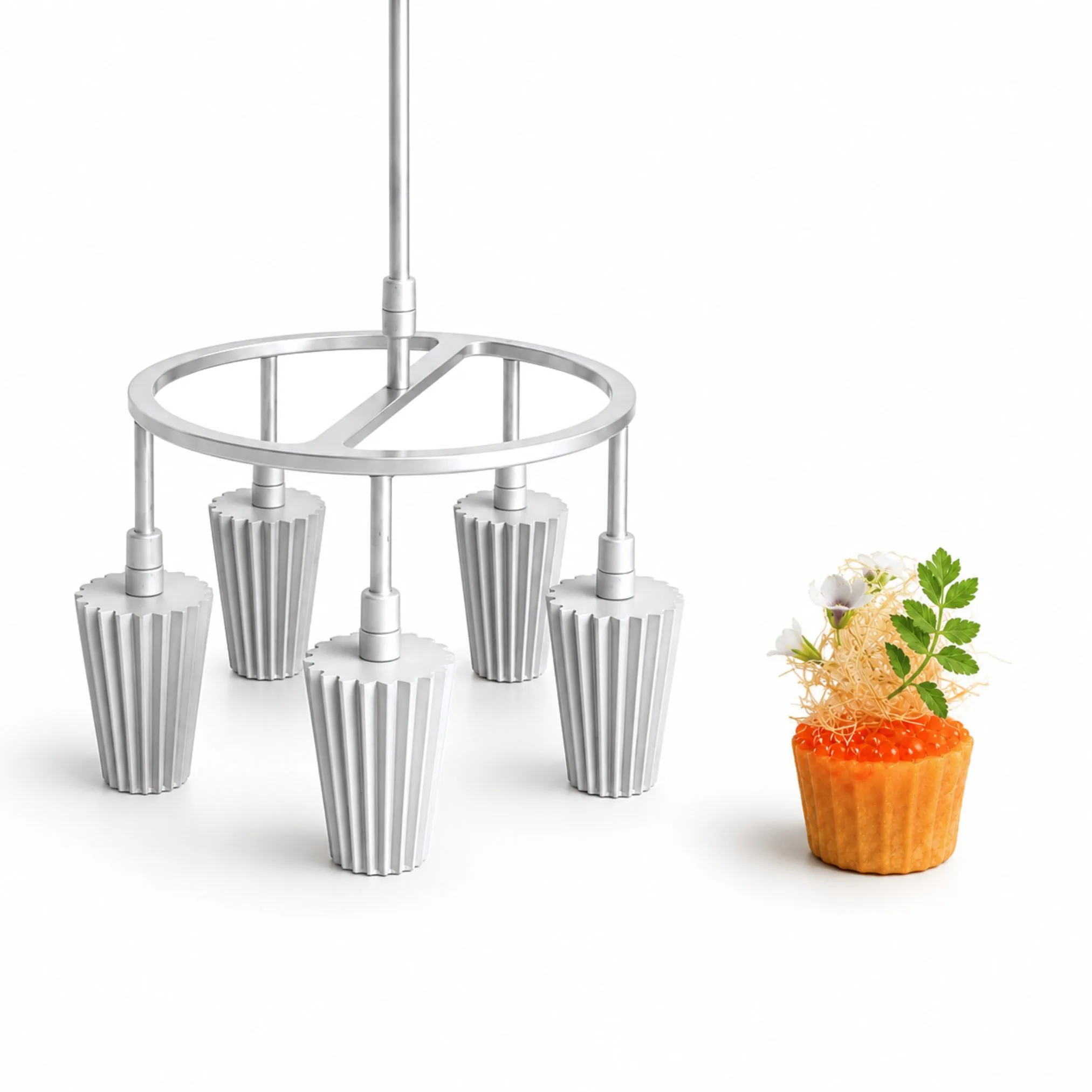
Formen på tærtebunden påvirker også gæsteoplevelsen. Tynde og sprøde tærter giver en lettere præsentation sammenlignet med traditionelle wienerbrødstarteletter og lader sarte ingredienser som hummer-tartar, urter og kaviar træde frem.
For moderne restaurantservice tilbyder hummer-tarteletter en ideel balance mellem elegance, konsistens og praktisk anvendelighed.
Sprød Hummer Tærte Opskrift
Denne Hummer tærte opskrift kombinerer frisk hummertatar, dildcreme og en tynd, sprød tærtebund designet til moderne fine dining-præsentation. Opskriften er bevidst enkel, så hummerens kvalitet kan forblive i centrum.
Den tarteletskaller kan forberedes flere dage i forvejen og opbevares i lufttætte beholdere, hvilket gør dem ideelle til restaurantens mise en place. Hummerblandingen kan også forberedes før servering, og den endelige samling tager kun et par øjeblikke.
Denne tilgang giver kokke mulighed for at skabe en raffineret hummer canapé, samtidig med at de opretholder konsistens under travle serviceperioder. Uanset om de serveres som amuse bouche, canapé eller som en del af en større smagsmenu, forbliver hummertærter en af de mest elegante fiske- og skaldyrpræsentationer.
Ingredienser
Kvaliteten af ingredienserne spiller en væsentlig rolle for det endelige resultat. Da opskriften indeholder relativt få komponenter, bør hver ingrediens bidrage med smag, friskhed og tekstur.
Frisk hummer giver sødme og en delikat bid, mens dild tilføjer en klassisk nordisk smagsprofil, der komplementerer skaldyr usædvanligt godt. Creme fraiche bidrager med fylde og syre, hvilket hjælper med at balancere hummerens sødme.
Spiselige blomster og friske urter bruges primært til visuel forfining og til at skabe en præsentation, der passer til moderne restaurantservering og gourmetmenuer.
Det er lige så vigtigt at bruge tærtebunde af høj kvalitet, da bunden danner fundamentet for hele canapéen og giver den sprøde tekstur, der definerer retten.
Sådan tilbereder du hummer
Korrekt tilberedt hummer skal forblive mør og saftig, samtidig med at dens naturlige sødme bevares. Overkogt hummer bliver hurtigt fast og mister meget af den delikate tekstur, der gør den til en så eftertragtet ingrediens.
Til denne opskrift kan hummerhaler forsigtigt pocheres i saltet vand, indtil de lige netop er gennemstegte. Når hummeren er tilberedt, skal den straks køles ned for at stoppe tilberedningsprocessen og bevare teksturen.
Mange kokke foretrækker at tilberede hummeren let i forvejen og køle den ned, før de tilbereder den til tatar. Dette gør det lettere at opnå præcise snit og bevare konsistensen gennem hele serveringen.
Når hummer håndteres korrekt, udvikler den en ren smagsprofil, der fungerer smukt i tærter, kanapeer og andre fiske- og skaldyrsbaserede forretter.
Forberedelse af hummer-tartaren
Hummer-tartar skal fremhæve hummerens naturlige smag frem for at overdøve den. Målet er at skabe en frisk og balanceret blanding, der forstærker skaldyrene uden at maskere deres sødme.
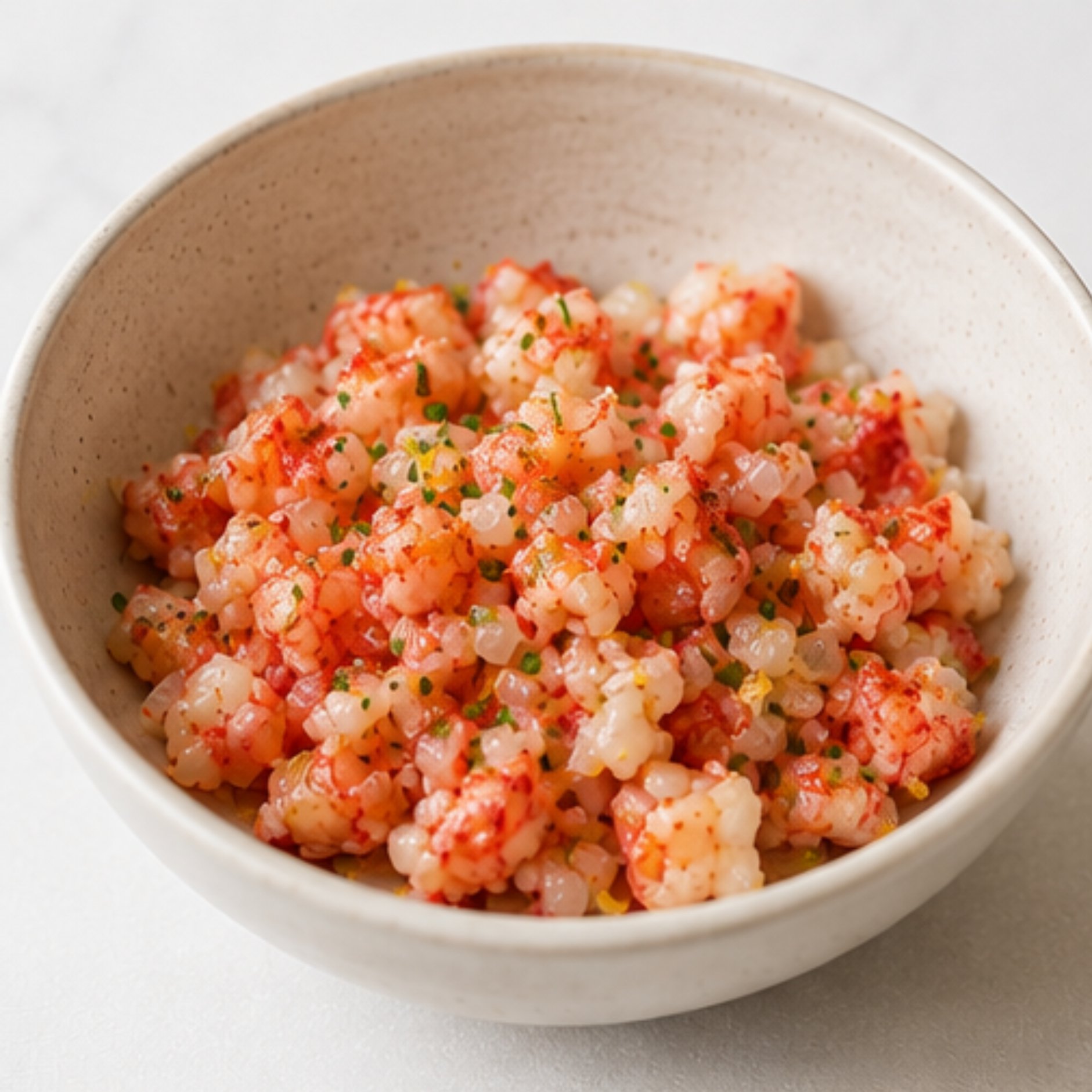
Hak hummeren fint i små ensartede terninger og bland den med skalotteløg, purløg og en lille smule citron. Disse ingredienser giver friskhed, samtidig med at de bevarer hummerens karakter.
Undgå overdreven krydring. Et let strejf tillader hummerens naturlige sødme at forblive dominerende, mens støtteingredienser bidrager med subtil kompleksitet.
Korrekt knivteknik og balance i ingredienserne er afgørende for at skabe en forfinet laksatartar, der egner sig til præsentation i fine dining.
Fremstilling af dildcreme
Dild og hummer har længe været betragtet som en klassisk kombination i nordiske og kystnære køkkener. Dildens friske, krydderurtagtige noter komplementerer hummerens sødme, samtidig med at de tilføjer aroma og visuel appel.
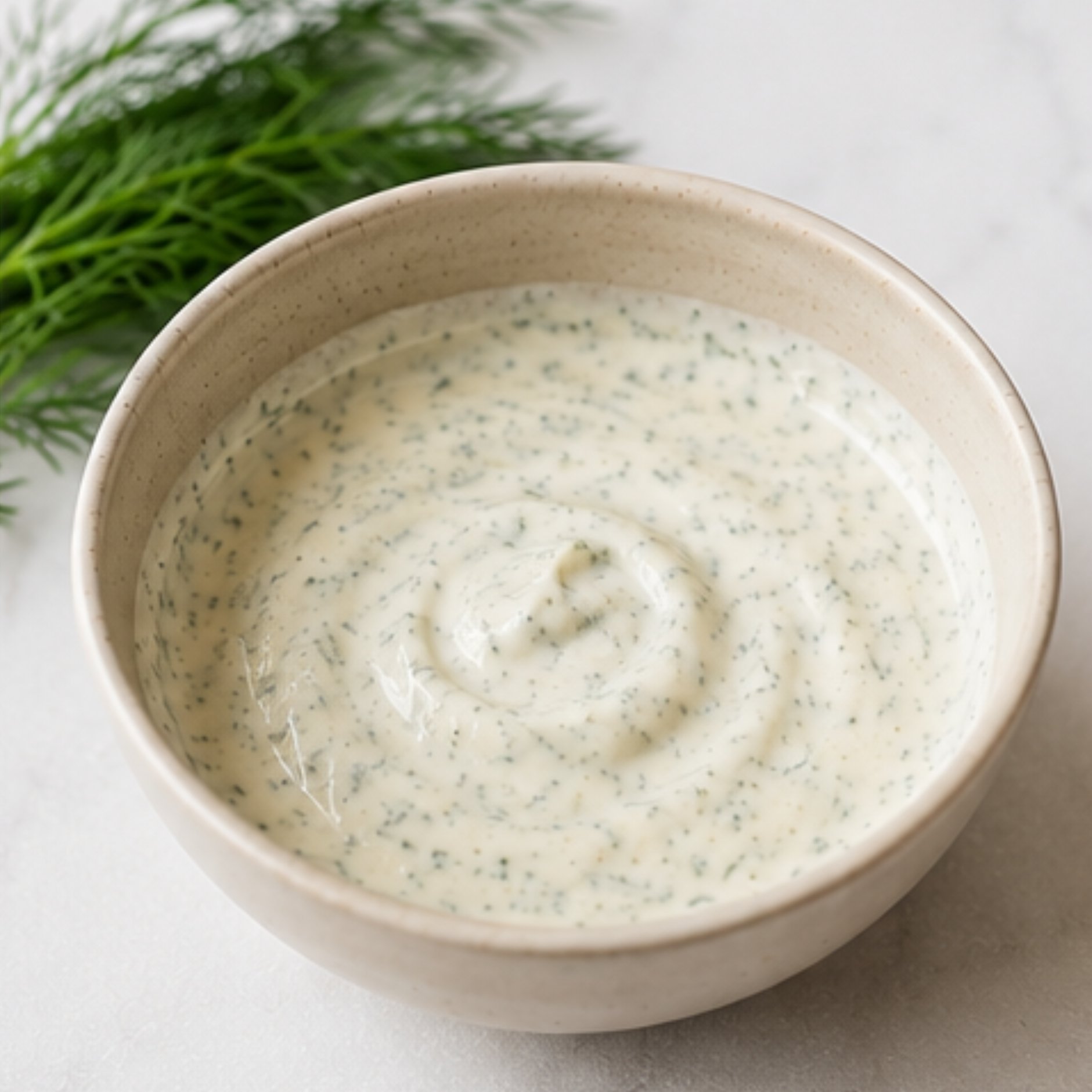
En simpel dildcreme lavet med creme fraiche giver fylde uden at blive tung. Syrlingen hjælper også med at balancere hummerens fedme og skaber en renere afslutning på ganen.
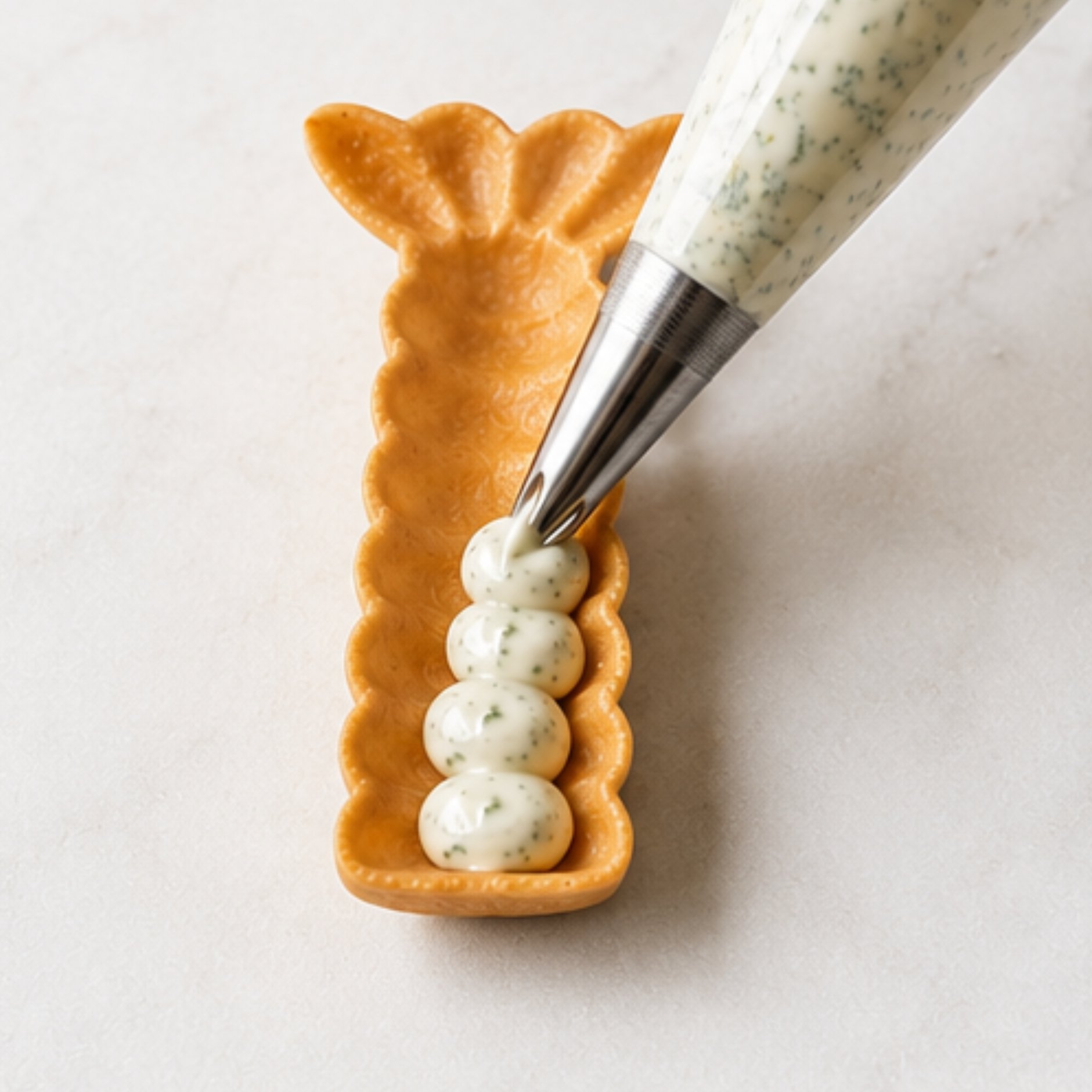
For den glatteste præsentation, skal cremen overføres til en sprøjtepose før servering. Dette gør det muligt for kokke at skabe præcise prikker og bevare konsistens på tværs af hver tærte.
Dildcremen fungerer som både en smagsgiver og et visuelt element, der hjælper med at løfte den samlede præsentation.
Montering og galvanisering
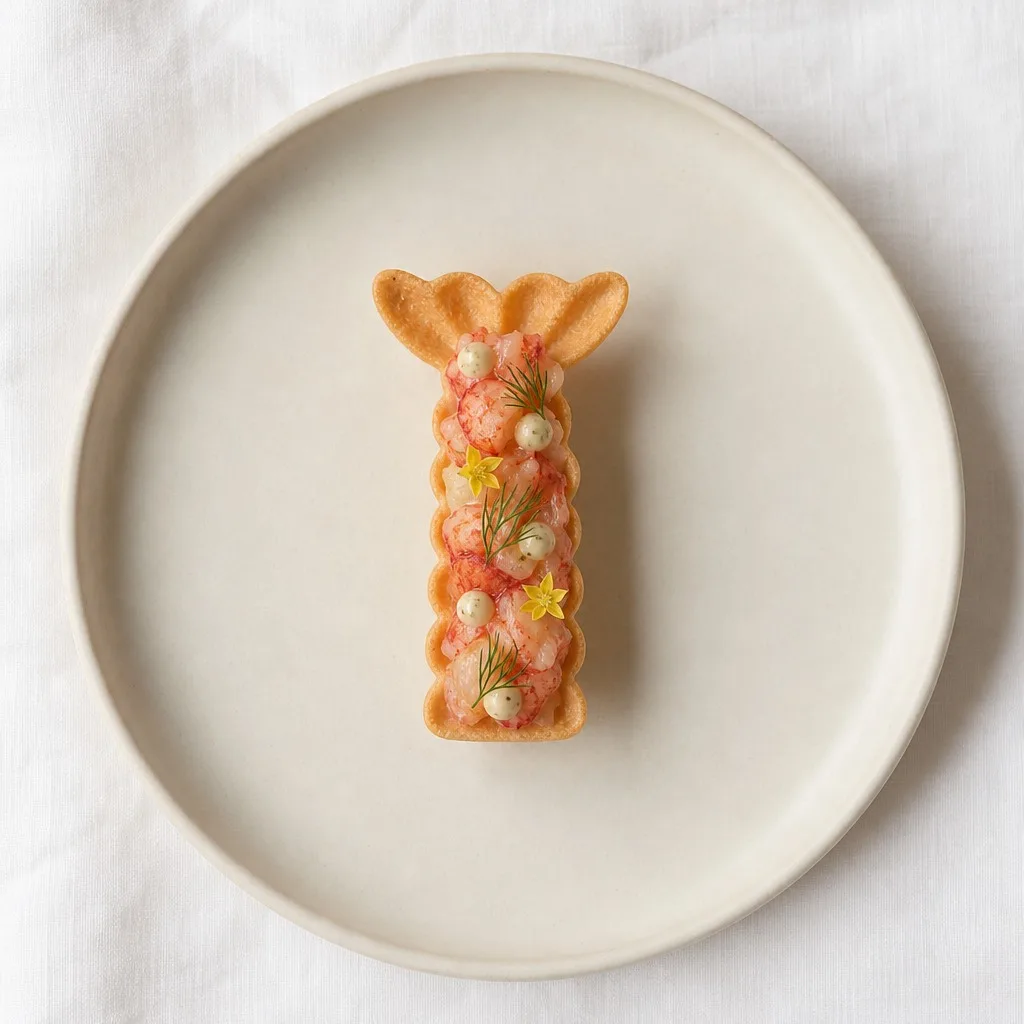
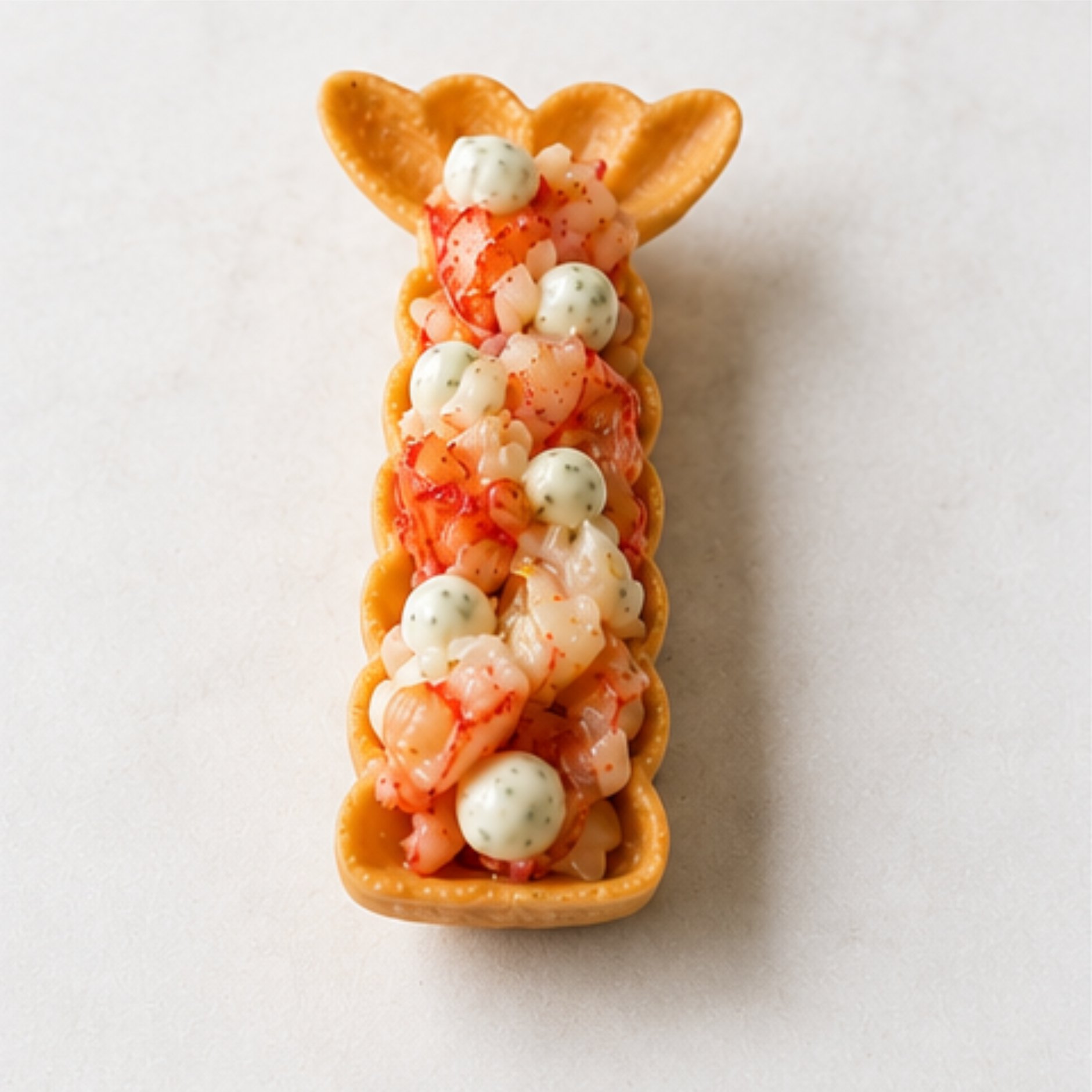
Samlingen bør foretages kort før servering for at sikre, at tærtebunden forbliver perfekt sprød. Fyld tærtebunden med hummer-tartar og sprøjt små prikker af dildcreme rundt i fyldet.
Afslut med friske dildskærme, spiselige blomster og, hvis ønsket, et par dråber hummerolie eller skaldyrsreduktion. Målet er at skabe et rent og elegant udseende, der fremhæver ingrediensernes naturlige farver.
I finere restauranter er tilbageholdenhed ofte mere effektiv end kompleksitet. En enkel komposition med omhyggeligt udvalgte garniturer skaber typisk den stærkeste visuelle effekt.
Den færdige tartelet skal fremstå let, raffineret og meget detaljeret, samtidig med at den er nem at spise i en enkelt bid.
Sådan forberedes hummer-tærter på forhånd
Effektiv forberedelse er essentiel i professionelle køkkener. Heldigvis kan hummer-tarteletter næsten forberedes helt på forhånd.
Tærteskallerne kan bages flere dage før servering og opbevares i lufttætte beholdere med silicagel for at bevare sprødheden. Dildcremen kan tilberedes dagen før og opbevares på køl.
Hummer-tartaren kan tilberedes et par timer før servering og opbevares koldt indtil da. Den endelige anretning bør ske umiddelbart før servering for at bevare teksturen i både tærtebunden og hummeren.
Denne arbejdsgang gør det muligt for restauranter at producere store mængder hummer-tarteletter uden at gå på kompromis med kvaliteten.
Restaurationsservice Tips
Når man serverer hummer-tærter under travle serviceperioder, er konsistens ofte vigtigere end kompleksitet. Standardiserede skalstørrelser, præcise tatar-portioner og ensartet placering af pynt hjælper med at opretholde kvaliteten på hver tallerken.
Mange professionelle køkkener tilbereder tærter i partier og holder alle komponenter adskilt indtil de sidste øjeblikke før servering. Dette sikrer maksimal sprødhed og minimerer risikoen for, at fugt påvirker skallen.
Hummer-tarteletter er særligt effektive til smagsprøvemenuer, cocktailarrangementer, canapé-service og privat middage, fordi de leverer en førsteklasses oplevelse i et kompakt format.
Med ordentlig forberedelse og organisering kan hummer-tarteletter blive et pålideligt signatur-element på moderne fine dining-menuer.
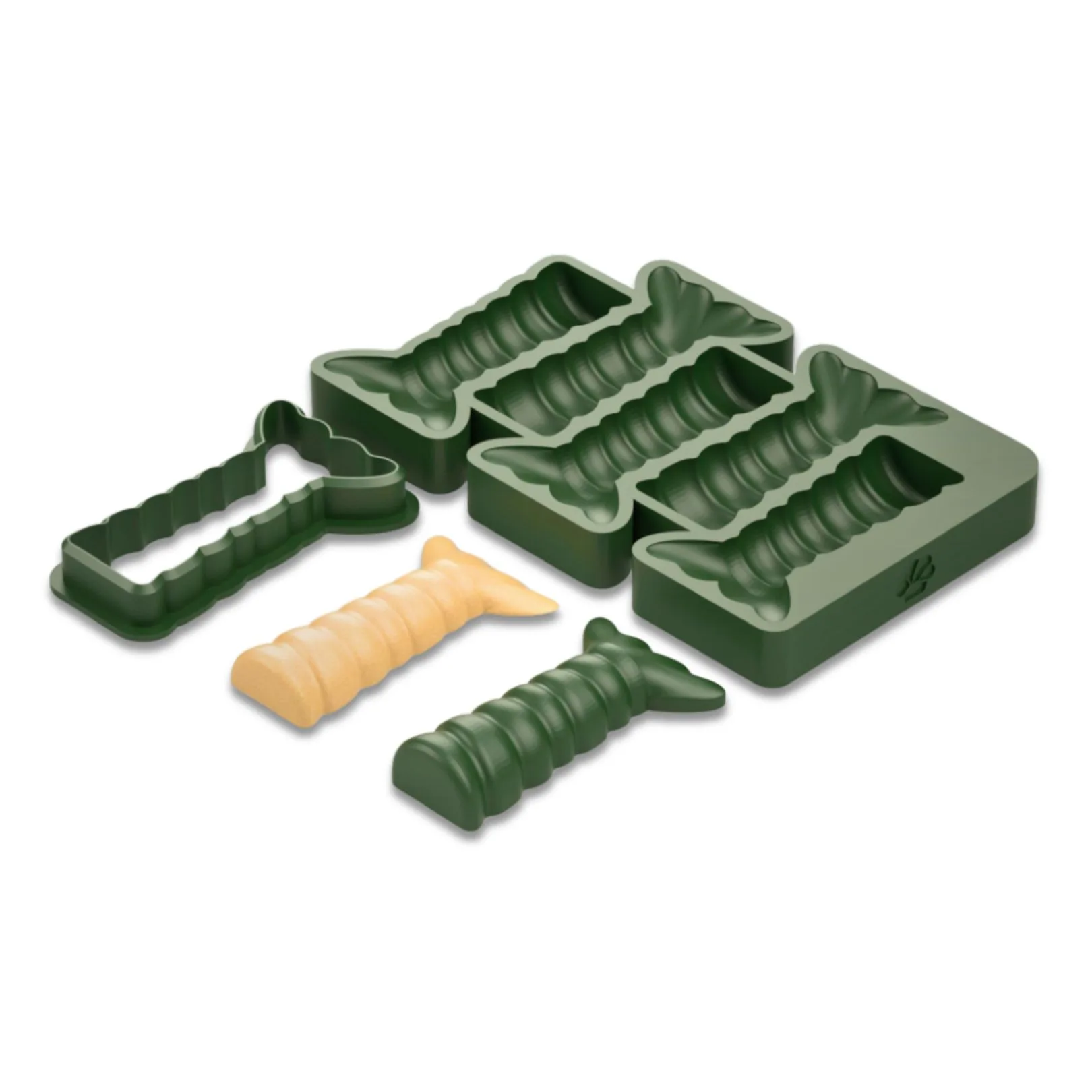
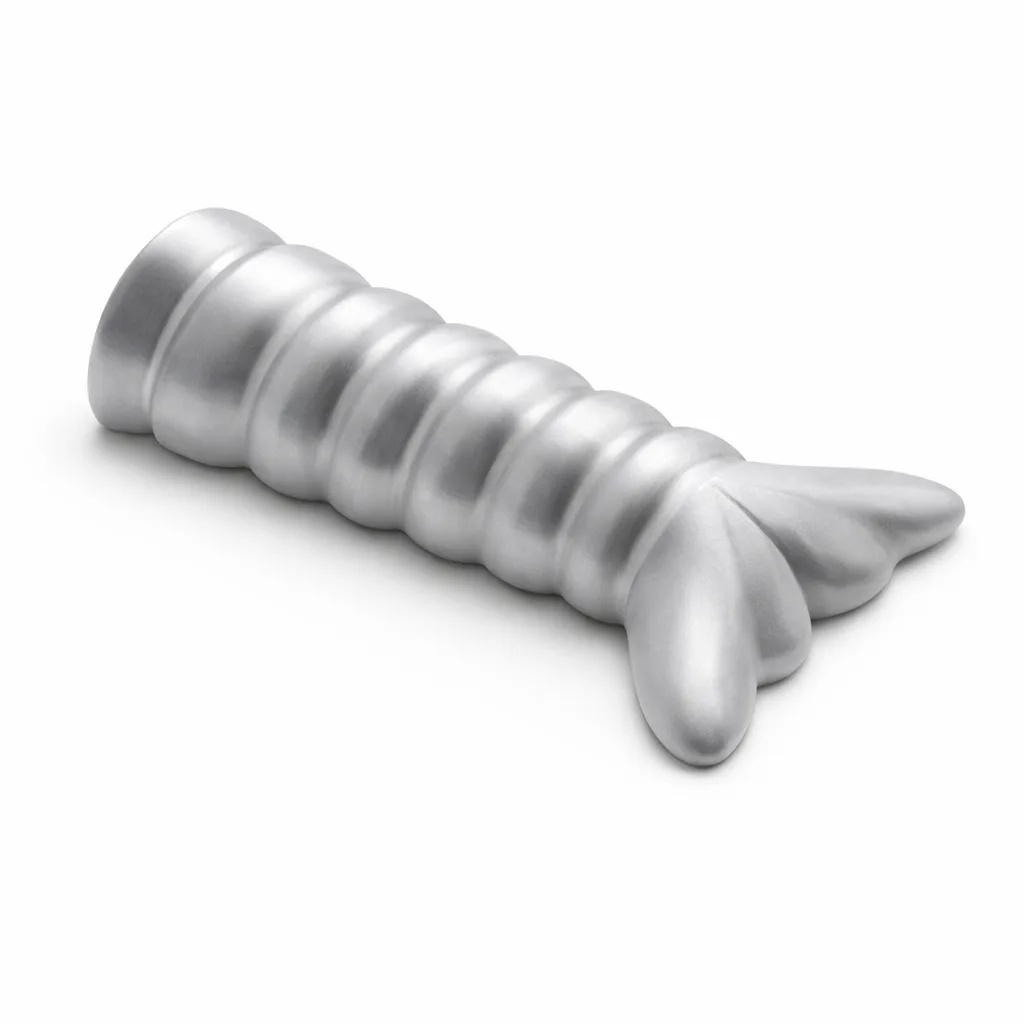
Denne opskrift blev udviklet ved hjælp af vores professionelle Hummer silikoneform, designet specifikt til moderne canapé- og gourmet-service.
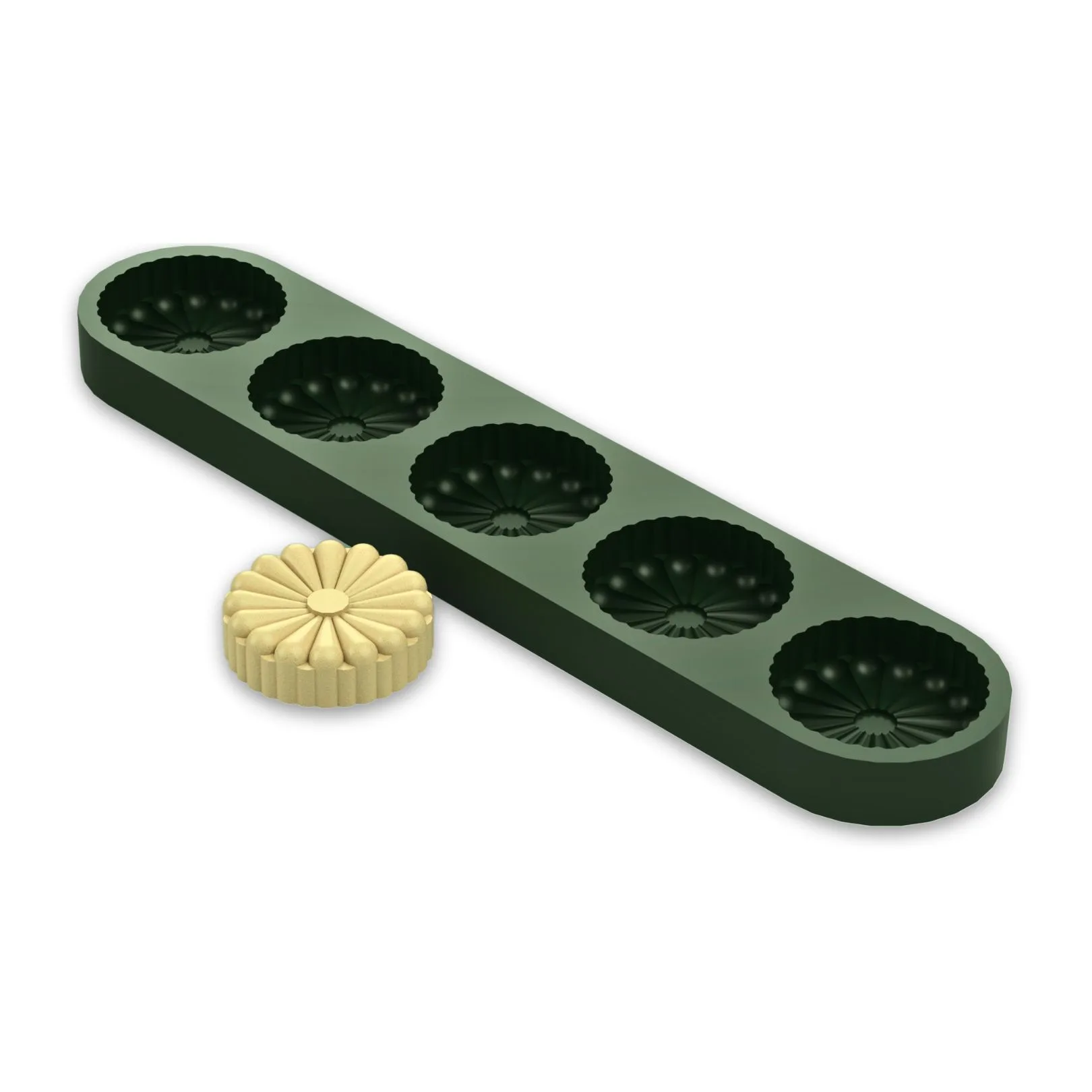
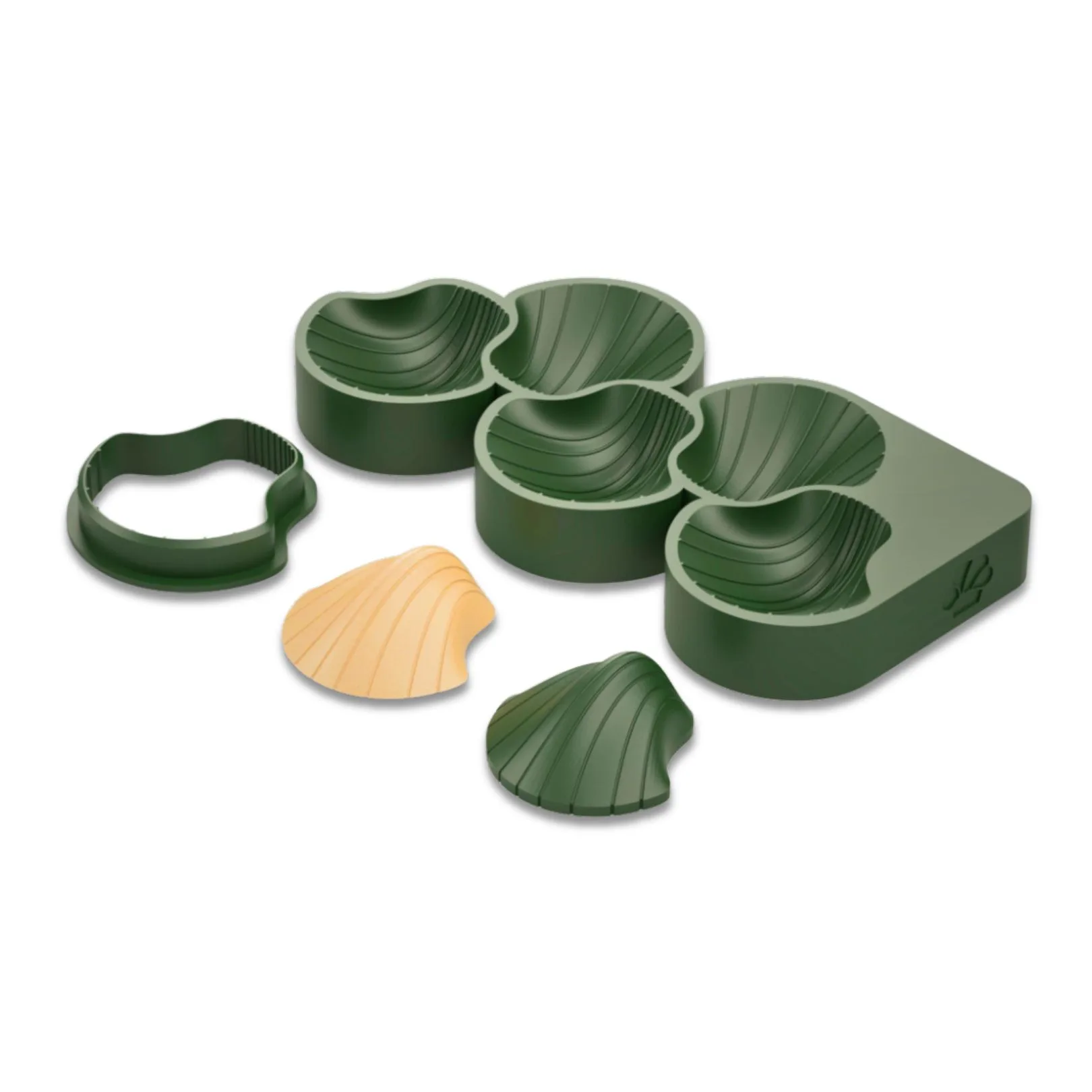
Mange kokke kombinerer hummer- og kammuslingemenuer ved hjælp af vores Monaka Tartelette form for en sammenhængende præsentationsstil. Mange af de samme opbevarings- og stegeteknikker bruges også, når man producerer knasende buenollopskriftlavet med vores rosette jern.