
Pie Tee Recipe – Crispy Shell Batter & Frying Guide
Learn how to make thin, crispy Pie Tee shells with a wheat, rice flour and cornflour batter, including correct oil temperature, mold technique, release tips and storage.
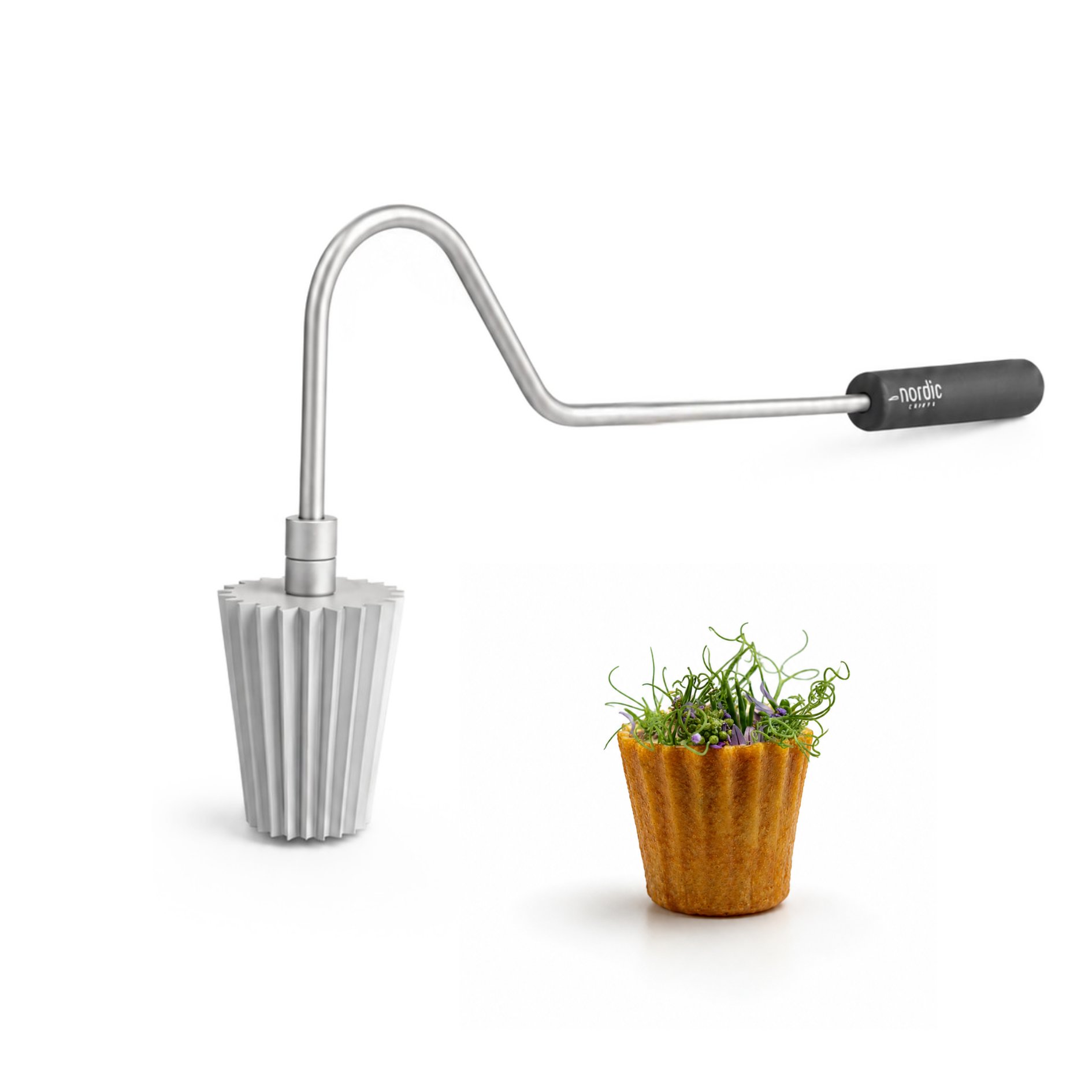
Tools for this recipe
The equipment linked below uses the current Nordic Chefs product options, prices and availability.
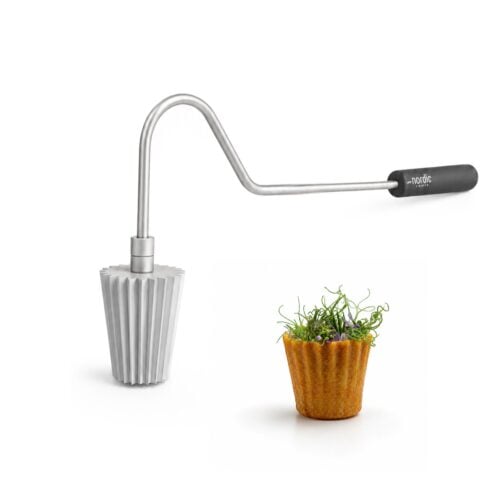
Croustade Järn – Enkelt Järn
Use the existing Nordic Chefs product page for current options, compatibility, price and availability.
Visa produkt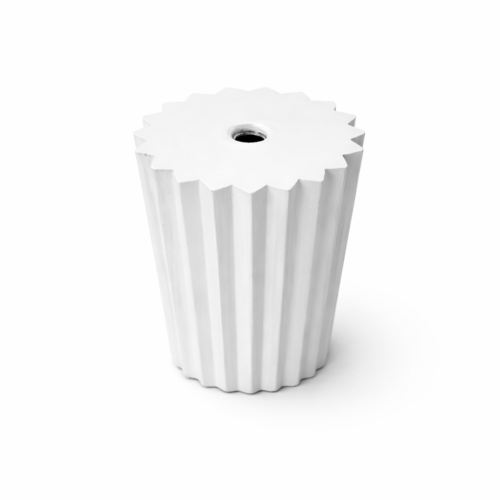
Croustade Form
Use the existing Nordic Chefs product page for current options, compatibility, price and availability.
Visa produkt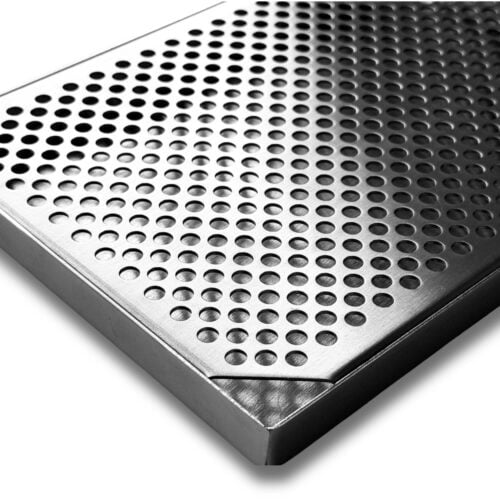
Finishingstråg – Medium
Use the existing Nordic Chefs product page for current options, compatibility, price and availability.
Visa produkt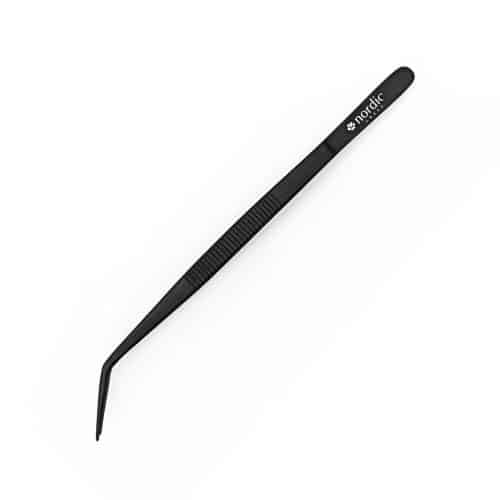
Nordic Chefs - SuperFine® kockpincett med böjd spets
Use the existing Nordic Chefs product page for current options, compatibility, price and availability.
Visa produktCrispy Pie Tee Shell Batter
Ingredients and method from the original Nordic Chefs recipe.
Print recipeIngredienser
- 100 g all-purpose flour
- 40 g rice flour
- 20 g cornflour (cornstarch)
- 2 g fine salt
- 1 large egg (about 50 g without shell)
- 200 ml cold water
- Neutral high-smoke-point oil for deep-frying
Method
- Whisk the wheat flour, rice flour, cornflour and salt together.
- Whisk in the egg, then gradually add the cold water until smooth.
- Strain the batter through a fine sieve and rest for 30 minutes.
- Heat neutral oil to 170–175°C and preheat the Pie Tee iron in the oil for 10–15 minutes.
- Drain the hot iron briefly and dip it into the batter, leaving the top 1–2 mm uncovered.
- Return the coated iron to the oil, release the set shell and fry until crisp and golden.
- Drain on a rack or absorbent paper and cool completely before storing or filling.
These crisp Pie Tee shells are made from a light batter of wheat flour, rice flour and cornflour, then fried on a preheated Pie Tee iron. The result is a thin, structured cup that can be prepared ahead and filled just before service.
Pie Tee is also written as kueh pie tee, kuih pie tee eller pai tee. The traditional Southeast Asian shell is often filled with vegetables and prawns, while modern kitchens use the same technique for tartare, seafood, mousses and refined canapés.
Pie Tee Shell Recipe
This recipe is designed for a professional Pie Tee or croustade mold. It gives a neutral savoury shell that works with both classic and modern fillings.
How to Make Pie Tee Shells
- Mix the dry ingredients. Whisk the wheat flour, rice flour, cornflour and salt together so the starches are evenly distributed.
- Add egg and water. Whisk in the egg, then add the cold water gradually until the batter is smooth and fluid.
- Strain and rest. Pass the batter through a fine sieve and rest it for 30 minutes. Stir gently before use without incorporating air.
- Heat the oil and iron. Heat neutral oil to 170–175°C / 338–347°F. Leave the Pie Tee iron in the oil for 10–15 minutes so the mold is heated throughout.
- Coat the mold. Lift the iron, let excess oil drip off and touch it briefly to paper. Dip it into the batter without covering the top rim; leave 1–2 mm uncovered so the shell can release.
- Fry and release. Return the coated iron to the oil. When the batter is set and lightly coloured, loosen the shell carefully and let it finish frying without the mold until crisp and golden.
- Drain and cool. Transfer the shell to a rack or absorbent paper. Cool completely before storing or filling.
Watch the Croustade Iron Technique
This short video shows the same essential iron technique used for Pie Tee shells: heat the mold, coat it evenly, fry the shell and release it cleanly.
Why Rice Flour and Cornflour Are Used
Wheat flour gives the shell enough structure to hold a filling. Rice flour and cornflour reduce heaviness and help the finished cup stay light and crisp. The batter should coat the hot mold in a thin, even layer; it should not feel like a thick pancake batter.
Pie Tee Troubleshooting
The batter will not stick to the mold
The iron is usually too cool, too oily or the batter is too thin. Reheat the mold, drain it briefly and test again. Stir the rested batter before each small batch because the starch settles.
The shell will not release
Do not immerse the top edge of the mold in batter. That creates a sealed rim. Allow the coating to set in the oil before gently nudging the edge with a fine skewer or tip of a utensil.
The shell is thick or greasy
The batter may be too thick or the oil temperature may have dropped. Keep the oil near 170–175°C and allow it to recover between batches. For a deeper explanation, read our guide to the best oil and frying temperature for crisp shells.
The shells soften after frying
Cool them fully before sealing them in an airtight container. Keep fillings separate until close to service, especially fillings with dressing, gel or high water content.
Choosing a Pie Tee Iron
The Nordic Chefs system uses interchangeable aluminium molds on compatible handles. The Enkel Croustade Järn is the simplest complete setup for controlled one-at-a-time production. If you already own a compatible handle, choose the separate Pie Tee / Croustade-form. For greater prep volume, the Dubbel krustång produces two shells per cycle.
Different traditions use related tools and names. Our Guide till Pie Tee vs Croustade vs Rosette vs Buñuelo explains the differences without treating the terms as identical.
Fillings and Variations
Use the shells for traditional jicama and prawn filling, or adapt them for tartare, smoked fish, shellfish, mushroom preparations, vegetable ragout or a stable savoury mousse. Fill immediately before serving to preserve the contrast between a crisp shell and a moist filling.
For a modern cold-set variation made with apple juice, cider vinegar and agar, see Chef Arnis’ Apple Vinegar Croustade Shell. For the broader fried-shell technique, compare our steg-för-steg-recept på croustader.
Service and Plating Tools
After frying, place the shells on the Avslutningsbricka – Medium so excess oil can drain before cooling and filling. For precise placement of tartare, herbs and delicate garnish, use the SuperFine curved-tip tweezers. Explore all professional plating tweezers for different tip shapes and working angles.
Custom Pie Tee Molds
If a standard shape does not fit your dish, Nordic Chefs develops custom Pie Tee and croustade molds for restaurant-specific shapes and signature presentations.