Fine Dining Squid Ink Tuile Recipe – Branch Mold Garnish
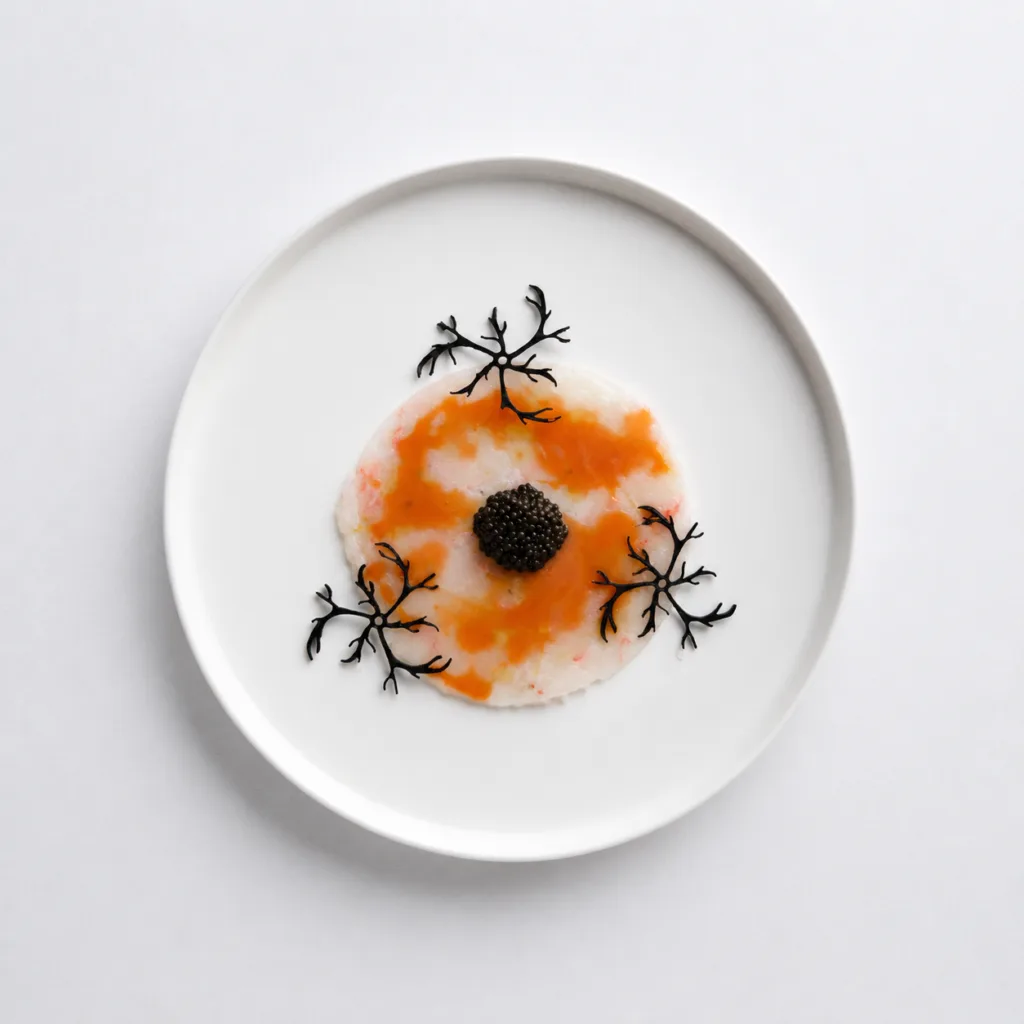
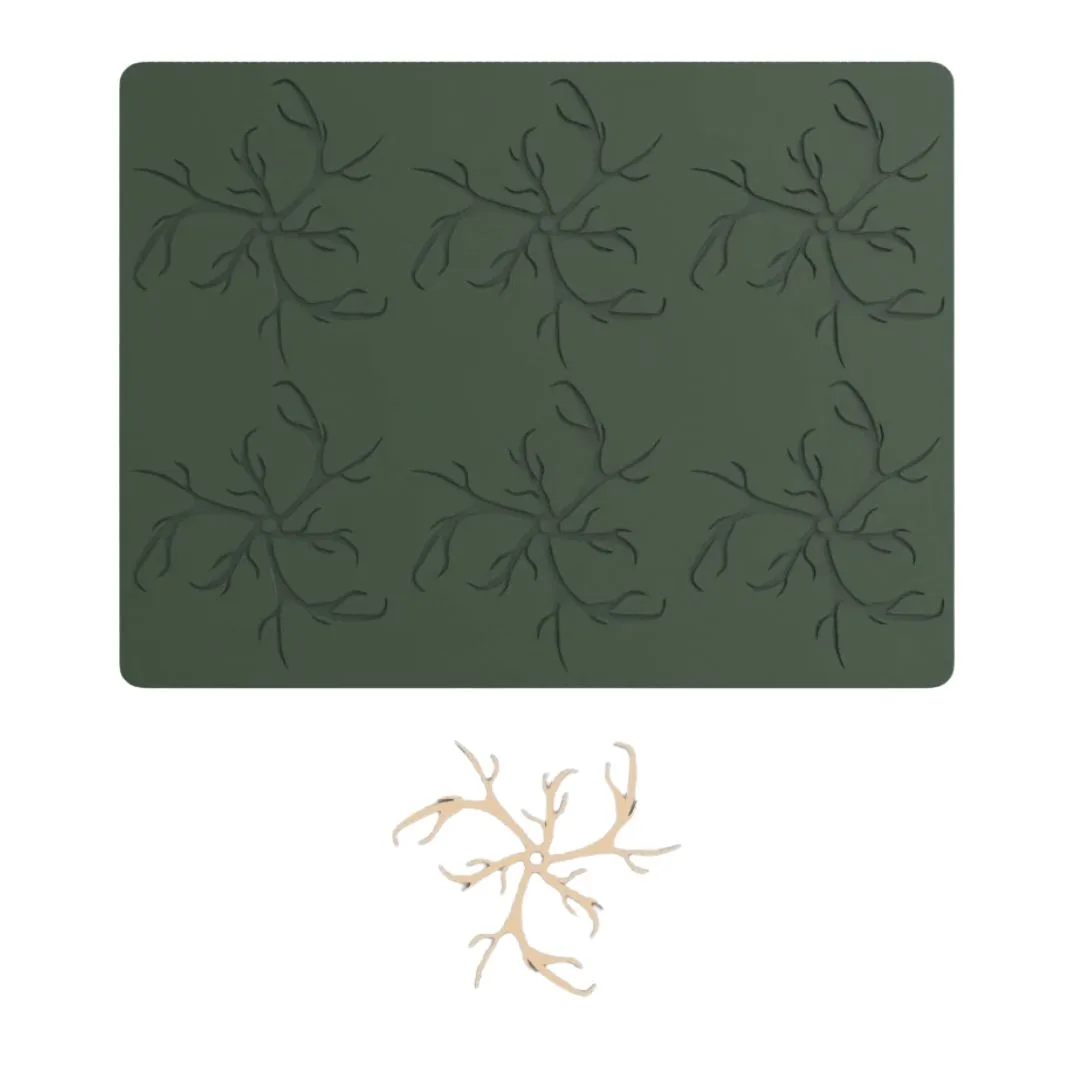
A squid ink tuile is one of the most striking garnishes in modern plating: a paper-thin, jet-black wafer that adds height, texture and a briny savoury note to a dish without adding weight. Baked into our Branch Tuile Mold, this version holds its organic branch shape every single time — no freehand piping, no guesswork.
What Is a Squid Ink Tuile?
A tuile (“tile” in French) is a thin, crisp wafer traditionally made from almond batter. The savoury black version — sometimes called a coral tuile or lace tuile when it bakes into an open, web-like structure — is colored with cephalopod ink and used to add drama and contrast to seafood, poultry, and even dessert plates. Most professional kitchens use cuttlefish ink rather than true squid ink: it’s more consistently available, produces a deeper, glossier black, and behaves the same way in a batter.
Why Bake It Instead of Pan-Frying
Most squid ink tuile recipes are cooked freehand in a hot pan, which means every piece comes out a different size and thickness, and the edges scorch before the center sets. Baking the batter in a dedicated mold at a low, controlled oven temperature gives you three things a pan can’t:
- Identical branch shapes, every batch
- Even, delicate crispness without burnt edges
- Six tuiles in one bake — the whole mold at once, ready for service
Equipment
- Nordic Chefs Branch Tuile Mold (6 cavities, 6 cm)
- Blender or hand blender
- Butter spray (or neutral oil spray) for release
- Combi oven with adjustable humidity and fan speed
- Small offset spatula
Chef’s Tips
- Batter consistency: it should coat the back of a spoon in a thin film. If it’s too thick to spread evenly, loosen with a few drops of water.
- Make-ahead: baked tuiles keep 2–3 days in an airtight container — humidity is the only real enemy of a crisp tuile, so add a silica packet if storing for later in the week.
- Layer for volume: the Branch Tuile Mold is designed to be used with two offset tuiles stacked together for a fuller, more three-dimensional branch — bake a few extra and layer at the pass.
- Plating pairings: the black branch shape reads best against pale, delicate elements — scallop or lobster carpaccio, oyster, a pale sorbet, or a monochrome seafood plate.
Shop This Recipe
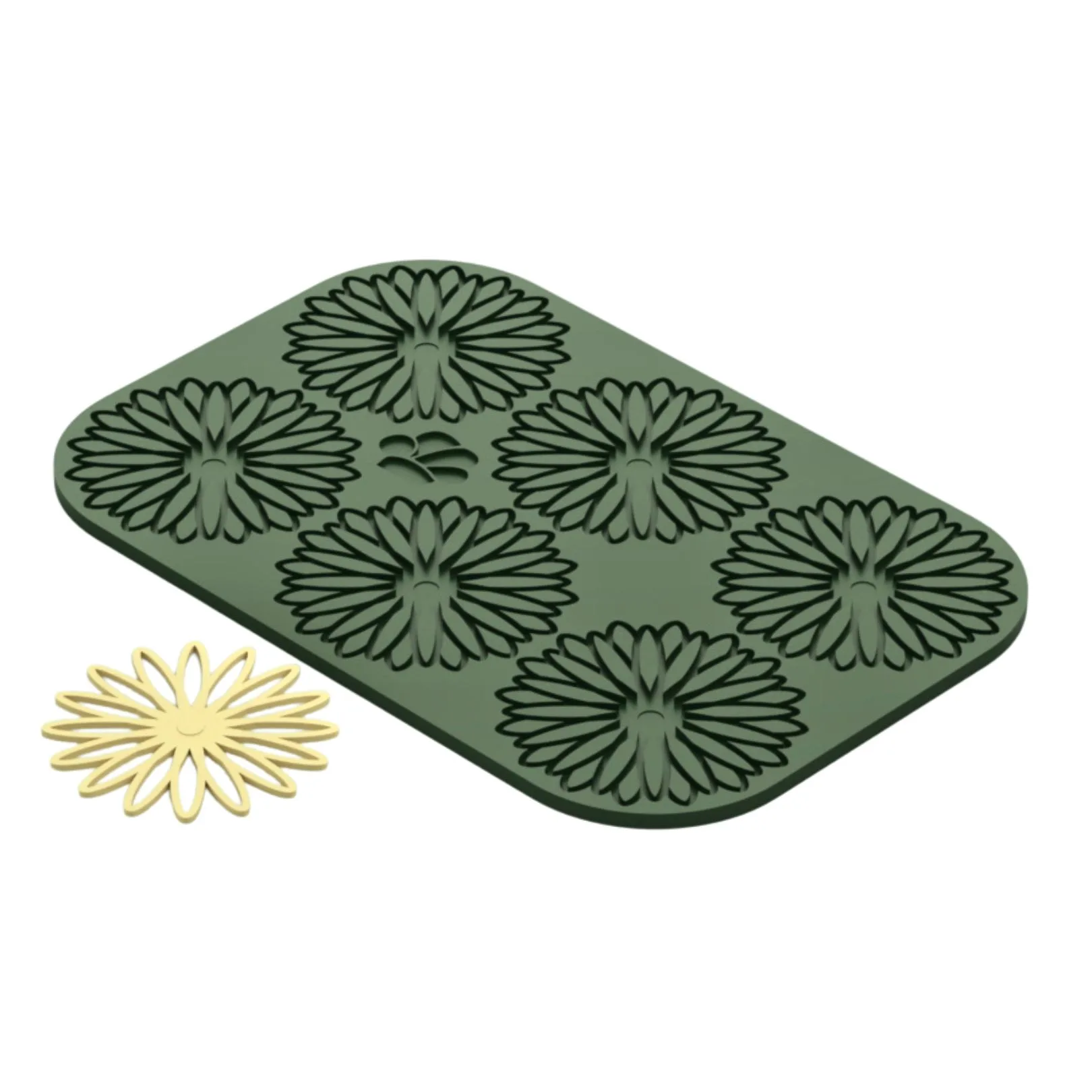
Made with the Branch Tuile Mold. Explore the full Tuile Mold collection, or read our chef guide to tuiles and tuile molds. For a different savoury technique, see Chef Claus Henriksen’s cheese tuile recipe.