Crispy Lobster Tartlet with Dill Cream
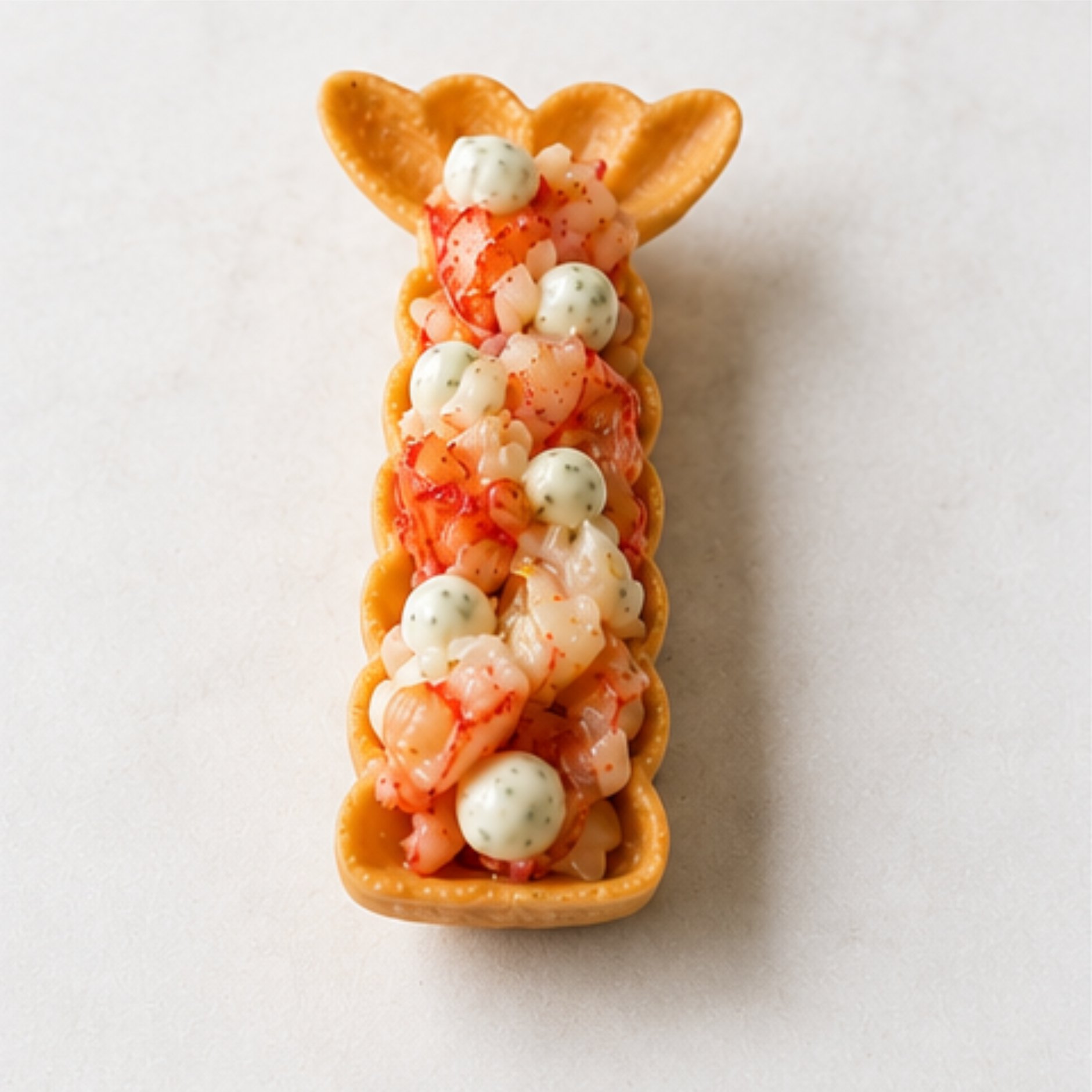
This lobster tartlet is built around three elements: a crisp tart shell, a lightly seasoned lobster mixture and a simple dill cream. The supplied recipe uses cooked lobster tails, so the focus here is on cutting, seasoning, assembly and service rather than on a separate lobster-cooking method.
For the shell itself, use our crispy mini tart shell recipe. The finished shell should be completely cool before filling so the lobster and cream can be added as close to service as practical.
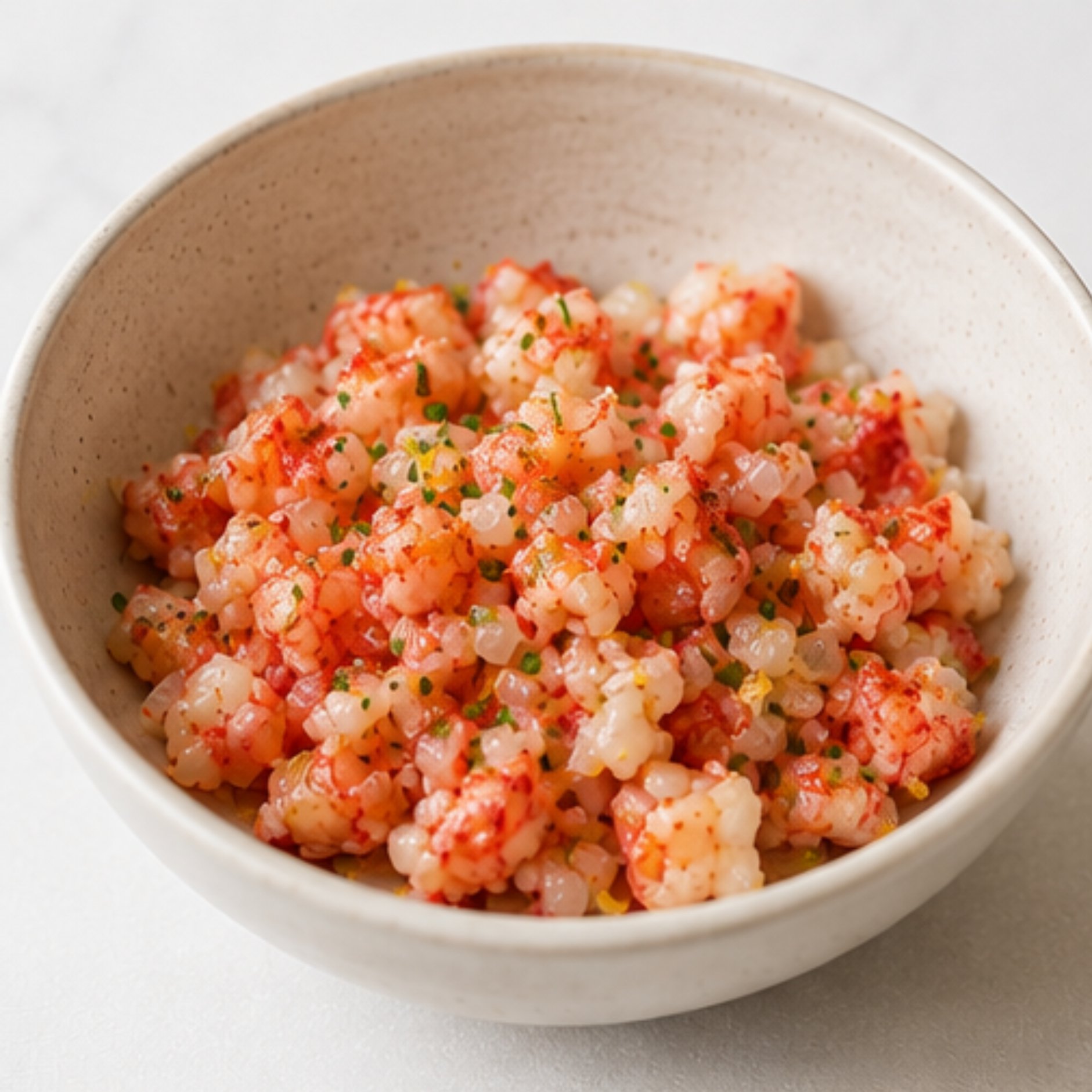
Prepare the Lobster Tartare
Dice the cooked lobster tails into small, even cubes. Mix gently with chives, shallot brunoise, lemon zest, lemon juice and a small pinch of sea salt. The supplied method then rests the lobster mixture for five minutes before assembly.
The seasoning is intentionally restrained. The recipe does not call for a heavy sauce in the lobster itself; the dill cream is added separately so the tartare and cream remain distinct components in the finished tartlet.
Make the Dill Cream
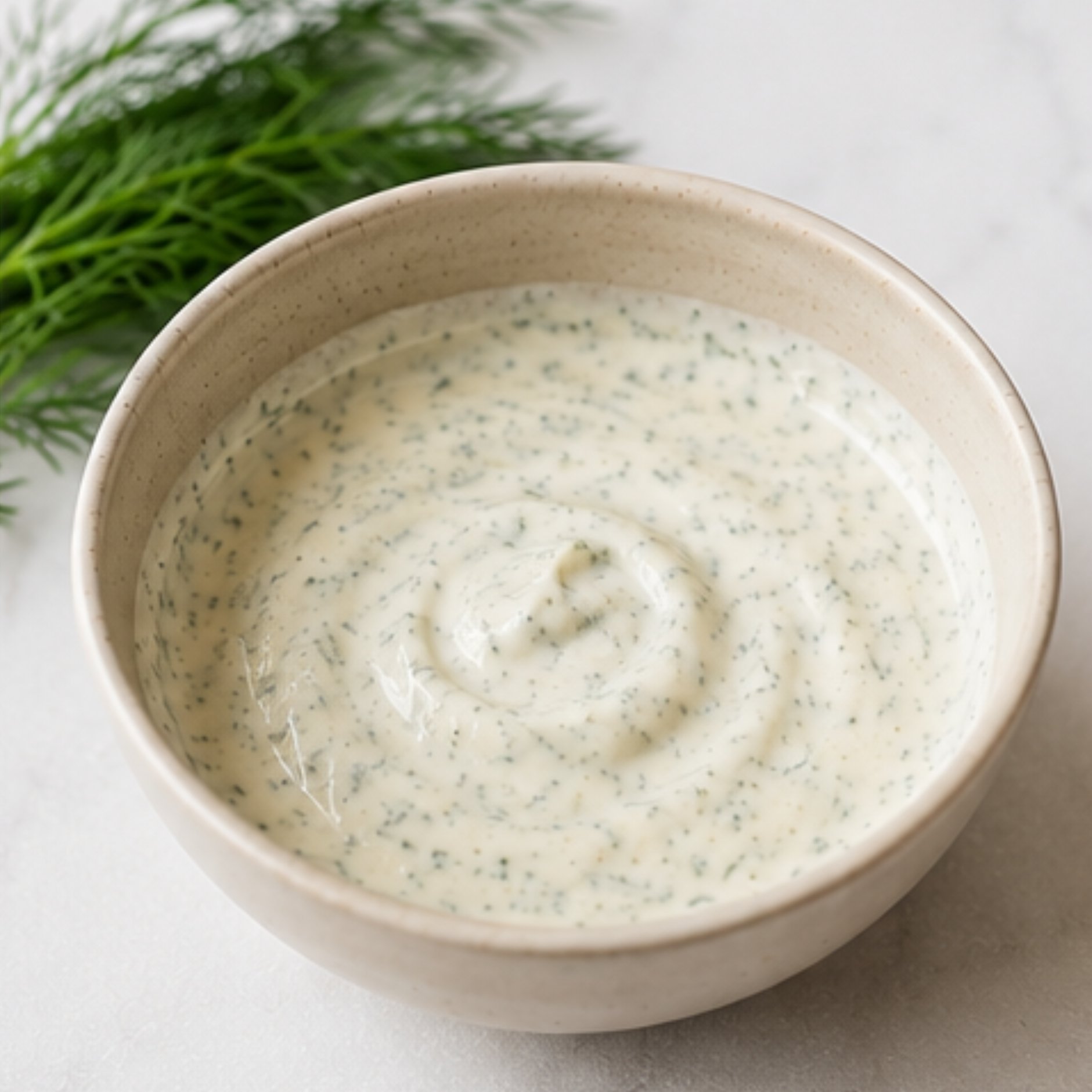
Combine crème fraîche with finely chopped dill, lemon juice and salt. Transfer the mixture to a piping bag. This makes it easier to place small, controlled dots of cream inside the tart shell and during final finishing.
The recipe uses 100 g crème fraîche and 2 tablespoons finely chopped dill. Lemon juice and salt are added to taste according to the supplied ingredient list.
Assemble the Lobster Tartlet
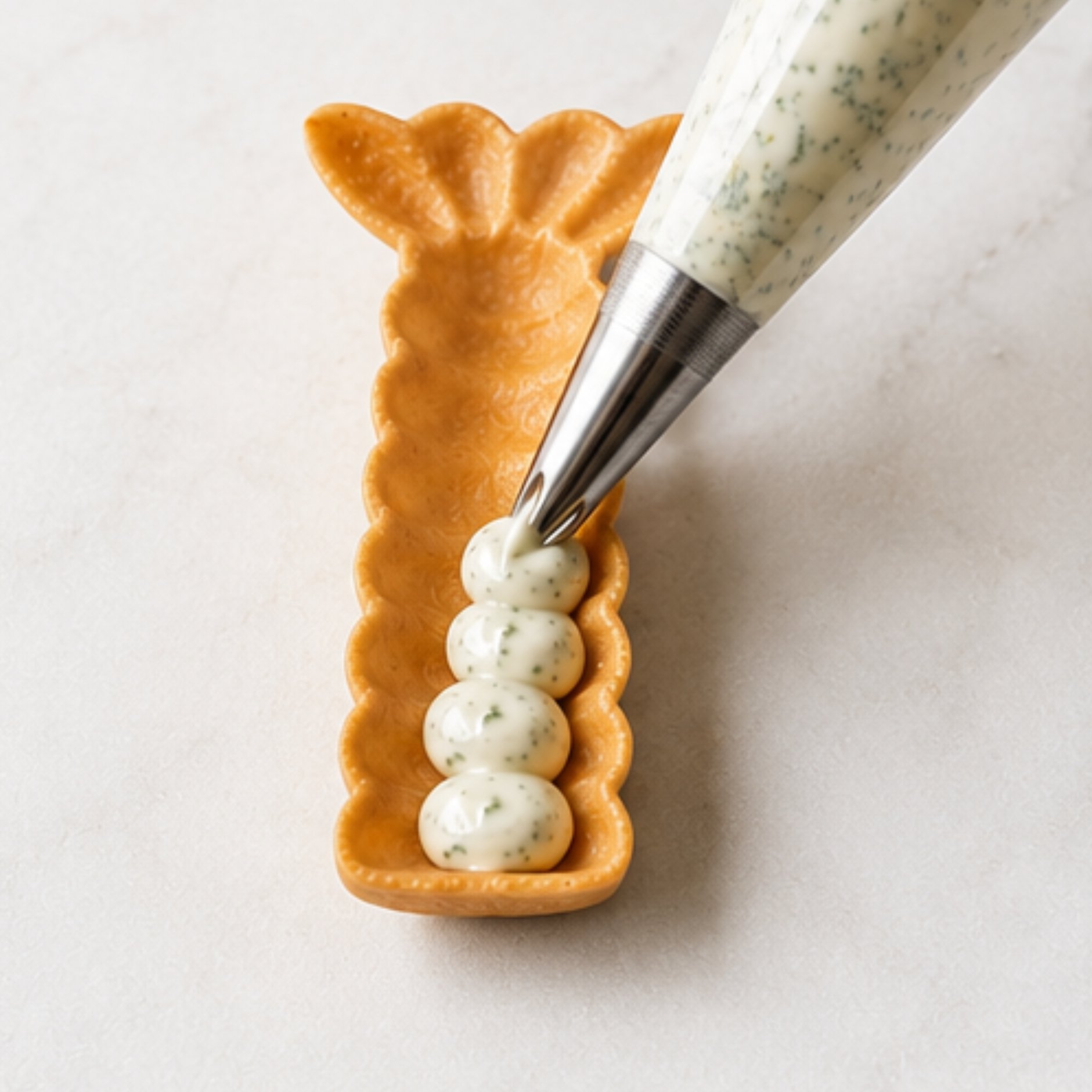
- Pipe small dots of dill cream inside the crisp tart shell.
- Fill the shell with the lobster tartare.
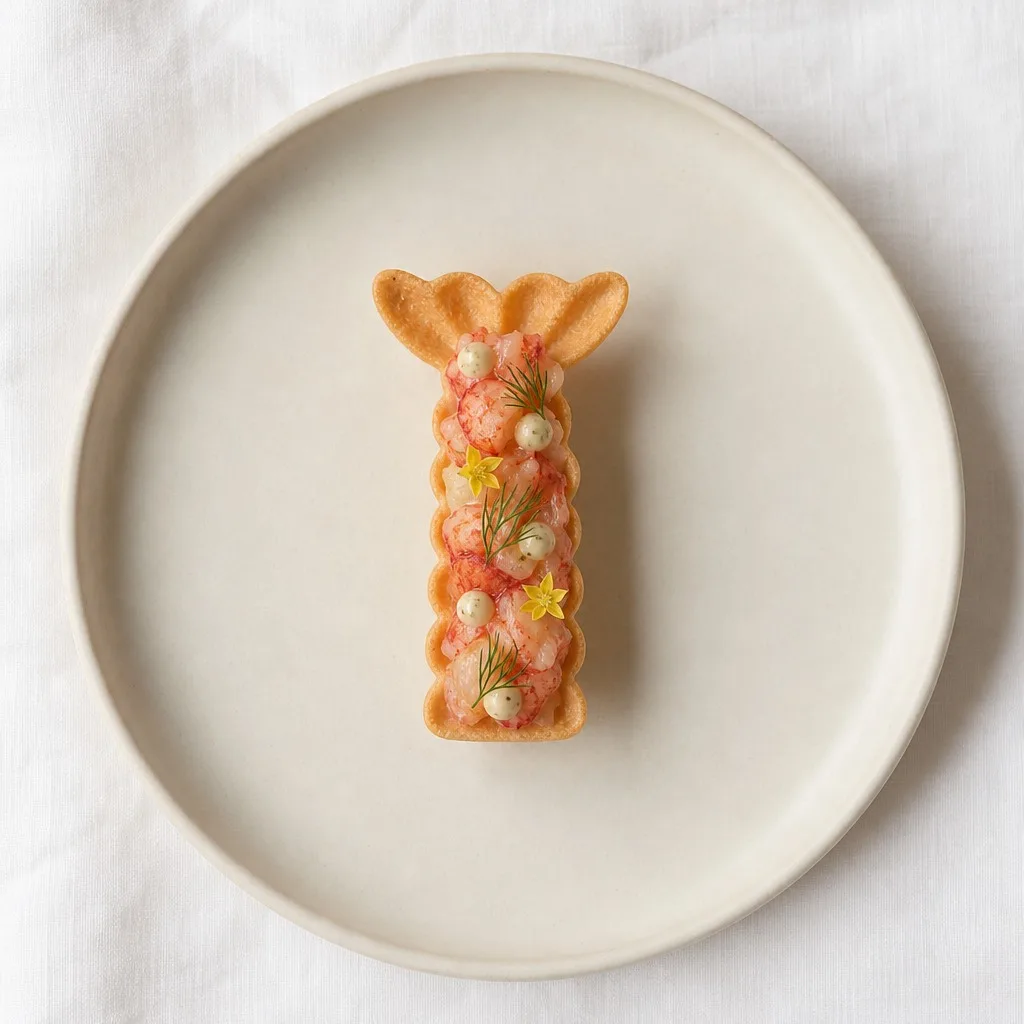
- Finish with additional dill cream, fresh dill and edible flowers.
- Add a few drops of lobster coral oil if desired.
- Serve immediately while the tart shell remains crisp.
The optional lobster coral oil is included as a finishing element in the supplied recipe notes. It is not required for the tartlet to work.
For precise finishing: use chef tweezers for plating to place dill, edible flowers and other delicate garnishes without disturbing the tart shell.
Choosing the Tart Shell
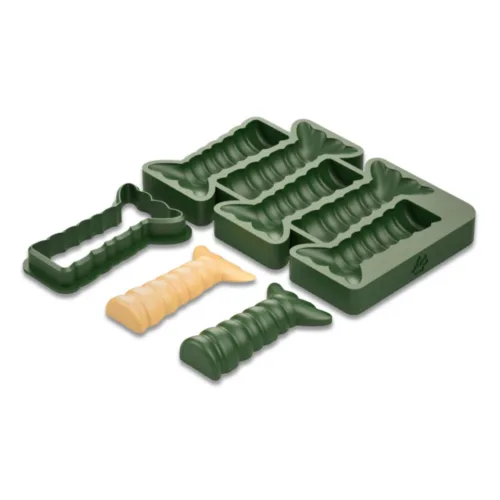
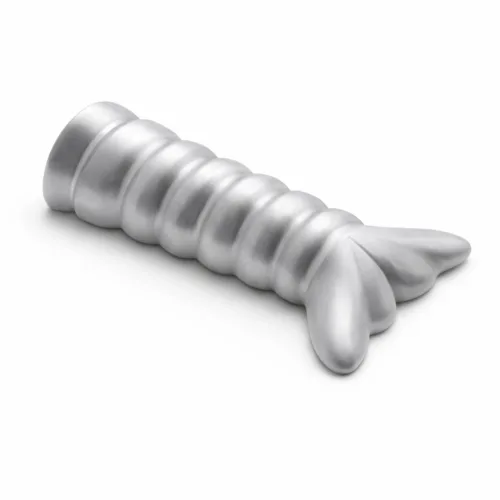
This recipe can be served in a classic mini tart shell, but it was developed around the Nordic Chefs Lobster Tail Tartelette Set, which gives the snack a lobster-inspired shape. The set includes a silicone mold and cutter for repeatable shell production.
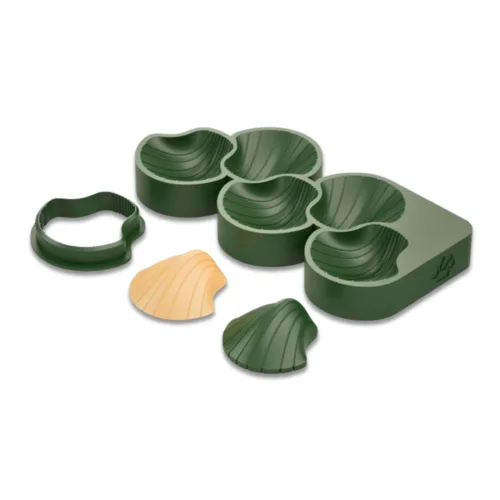
For other formats, compare the full Tartelette & Mini Tart Shell Mold collection, including the Scallop Tartelette Mold and Classic Tartelette Set.
Keep the Shell Crisp During Service
Keep the baked shells separate from the lobster and dill cream until final assembly. Once a crisp shell is filled with moist components, it will gradually soften, so the recipe is designed to be assembled immediately before serving.
If you are developing the shell production separately, our mini tart shell guide covers the baked dough method, storage principles and mold selection without mixing those instructions into the lobster filling recipe.
A Different Crispy Shell Technique
For a lighter rice-based shell made with a silicone mold, see our savoury Monaka shell recipe. For a fried shell formed on a metal iron, use our step-by-step croustade recipe. Keeping these techniques separate helps each recipe answer a different search intent and gives chefs a clearer choice of shell for the dish.
Custom Tartlet Shapes
If a restaurant needs a signature shell shape rather than one of the standard molds, Nordic Chefs develops custom silicone molds and chef tools around the intended portion, geometry and service use.
Crispy Lobster Tartlet Recipe
Ingredients
- 2 cooked lobster tails
- 1 tbsp chives
- 1 tsp shallot brunoise
- 1 tsp lemon zest
- 1 tsp lemon juice
- sea salt
Instructions
-
Prepare The Lobster
Dice the lobster tail into small tartare-sized cubes. -
Mix gently with shallots, chives, lemon zest, lemon juice and a small pinch of sea salt.
-
Allow to rest for 5 minutes.
Dill Cream
Ingredients
- 100 g crème fraîche
- 2 tbsp finely chopped dill
- lemon juice
- Salt
Instructions
-
Prepare The Dill Cream
Combine crème fraîche, dill, lemon juice and salt. -
Transfer to a piping bag.
-
Pipe small dots of dill cream inside the tart shell.
-
Fill with lobster tartare.
-
Finish with additional dill cream dots, fresh dill and edible flowers.
-
Serve immediately while the tart shell remains perfectly crisp.
Garnish And Finishing
To create a refined fine dining lobster tartlet presentation, finish each tart shell with fresh dill, edible flowers and small dots of dill cream. The fresh herbs enhance the natural sweetness of the lobster while adding colour and freshness to the final dish.
For an elevated restaurant-style presentation, a few drops of lobster coral oil can be added just before serving. The oil contributes additional lobster flavour, visual contrast and a luxurious finish that works particularly well in seafood canapés, lobster tartlets and modern fine dining appetizers.
When plating lobster tartlets, simplicity often creates the strongest visual impact. Delicate garnishes should complement the lobster rather than overpower it, allowing the crispy tart shell and lobster tartare to remain the centre of attention.
-

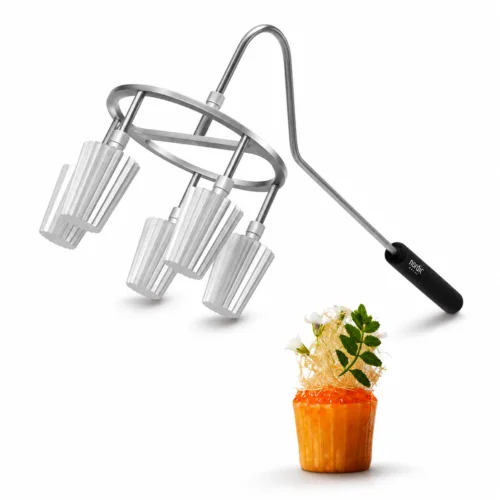
Lobster Tail Tartelette set
399,00 kr.319,20 kr. 399,00 kr.319,20 kr. Incl. VATExcl. VAT Read more -
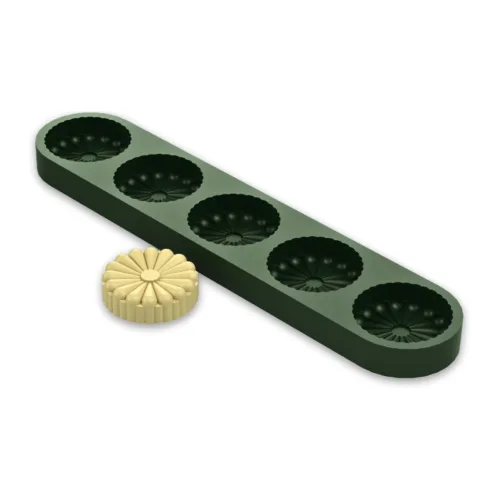
Monaka Tartelette Set
399,00 kr.319,20 kr. 399,00 kr.319,20 kr. Incl. VATExcl. VAT Read more -
Scallop Tartelette Mold
399,00 kr.319,20 kr. 399,00 kr.319,20 kr. Incl. VATExcl. VAT Add to cart -
Lobster Croustade Mold
500,00 kr.400,00 kr. 500,00 kr.400,00 kr. Incl. VATExcl. VAT Add to cart -
FiveMount Croustade Iron
3.000,00 kr.2.400,00 kr. 3.000,00 kr.2.400,00 kr. Incl. VATExcl. VAT Add to cart