
How to Make Croustades (Step-by-Step Recipe with Croustade Iron)
Croustades are thin, crispy shells used in professional kitchens for snacks and amuse-bouches. The key to a perfect croustade is not just the batter, but how you control heat, timing, and technique. This guide gives you a simple, step-by-step croustade recipe you can use immediately…

Tools for this recipe
The equipment linked below uses the current Nordic Chefs product options, prices and availability.
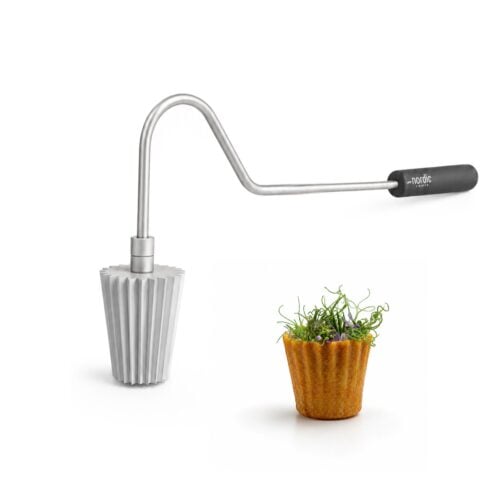
Croustade Iron – Single Iron
Use the existing Nordic Chefs product page for current options, compatibility, price and availability.

Croustade Iron – Double Iron
Use the existing Nordic Chefs product page for current options, compatibility, price and availability.
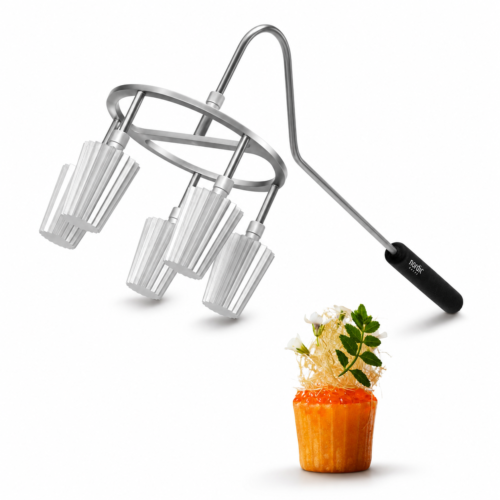
FiveMount Croustade Iron
Use the existing Nordic Chefs product page for current options, compatibility, price and availability.
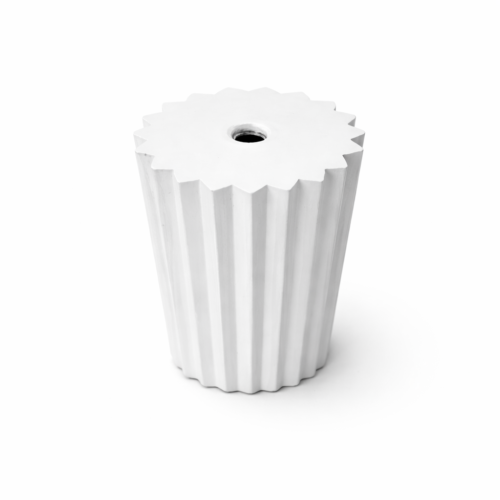
Croustade Mold
Use the existing Nordic Chefs product page for current options, compatibility, price and availability.
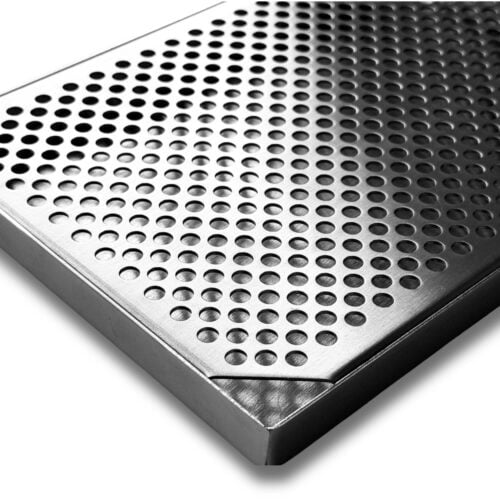
Finishing Tray – Medium
Use the existing Nordic Chefs product page for current options, compatibility, price and availability.
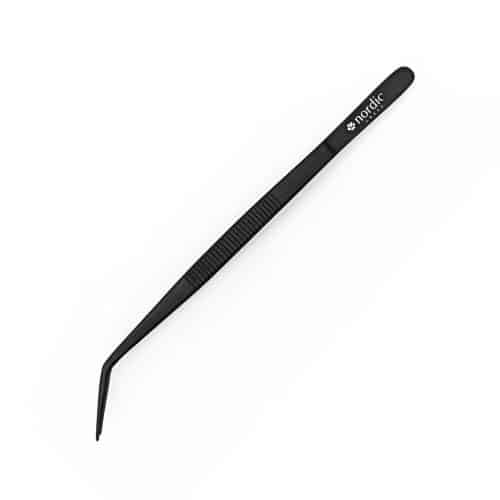
Nordic Chefs – SuperFine® Curved Tip Chef’s Tweezers
Use the existing Nordic Chefs product page for current options, compatibility, price and availability.
Croustade Batter Recipe (Professional Method)
Ingredients and method from the original Nordic Chefs recipe.
Print recipeIngredients
- 125 g Manitoba flour
- 125 g water
- 75 g boiled beer (cooled)
- 9 g olive oil
- 4 g salt
- 2 g sugar
- 2 eggs
Method
- Preheat neutral oil to 170°C (338°F).
- In a bowl, whisk together the water, cooled beer, eggs, salt, and sugar until fully combined.
- Sift the flour into the mixture and gently fold it in. Avoid overmixing, as this can develop gluten and affect the final texture.
- Pass the batter through a fine sieve to remove any remaining lumps and ensure a smooth consistency.
- Let the batter rest for at least 30 minutes before use.
Croustades are thin, crispy shells used in professional kitchens for snacks and amuse-bouches. The key to a perfect croustade is not just the batter, but how you control heat, timing, and technique.
This guide gives you a simple, step-by-step croustade recipe you can use immediately — whether you are working in a professional kitchen or at home. For a classic cup-shaped shell, see our Pie Tee shell recipe. For consistent frying results, see our guide to the best oil for croustades and crispy shells. For a no-fry variation formed on a frozen iron, see Chef Arnis' apple vinegar pie tee shell recipe.
👉 Want to improve crispiness and consistency? Read our full croustade technical guide and how to achieve the most crisp croustade every time
What Is a Croustade?
A croustade is a crispy shell made from batter or pastry, used to hold fillings in both savory and sweet dishes. It is widely used in fine dining for snacks and plated presentations.
Choose the iron around your service volume: the Single Croustade Iron for one shell at a time, the Double Croustade Iron for two identical shells per cycle, or the FiveMount Croustade Iron for higher-volume prep. If you already own a compatible handle, the Pie Tee / Croustade Mold is available separately. For a restaurant-specific shape or logo, see our custom croustade mold service. After frying, a Finishing Tray gives the shells a clean draining surface, while chef tweezers provide precise control for garnish.
Check out chef Eric Vildgaard recipe for a perfect bunuelos made with our Rosette iron HERE!
Recipe technique
How do you make croustades?
Heat the iron, dip in batter, fry until the shell releases, and finish crisping.
Why are my croustades not crispy?
Most often due to oil temperature or batter consistency.
Why do croustades stick to the iron?
The iron is not hot enough or the batter is too cold.
Can you make croustades without an iron?
Yes, but results will be less consistent.