Perfekt knuspriges erstellen Krapfen, Rosetten und Krustaden hängt von weit mehr als nur dem Teig ab. In professionellen Küchen spielt die Wahl des Öls eine wichtige Rolle für die Textur, Farbgleichmäßigkeit, Geschmacksneutralität und den Arbeitsablauf während des Service, insbesondere bei der Auswahl des Frittieröls für knusprige Hüllen.
Das falsche Öl kann schnell zu Folgendem führen:
- fettige Muscheln
- uneven coloring
- bittere Aromen
- weiche Textur
- instabile Brat-Temperaturen
Moderne Restaurants wählen Frittieröle sorgfältig nach Rauchpunkt, Geschmacksprofil, Ölstandstabilität und Produktionsmenge aus, um während des gesamten Service leichte und gleichmäßig knusprige Hüllen zu erzielen.
Whether producing traditional buñuelos, fine dining snacks or French croustades, choosing the correct frying oil is essential for professional results. If you are starting with the shell itself, follow our Schritt-für-Schritt-Rezept für Croustade. Get inspired with our Michelin batter from Restaurant Jordnær HIER!
Warum die Wahl des Öls für knusprige Buñuelos wichtig ist
Professionelle Küchen verlassen sich auf stabile Bratumgebungen, wenn sie knusprige Krusten kreieren. Schon kleine Ölvariationen können beeinflussen:
- Schalenstruktur
- Bratgeschwindigkeit
- Farbentwicklung
- Knusprigkeit
- Batteriefreigabe
- Finale Textur
Dünne Gebäcke wie Bunuelos und Rosetten reagieren schnell auf Temperaturschwankungen, weshalb das Frittieröl bei kontinuierlicher Produktion stabil bleiben muss.
Restaurants, die während des Service größere Mengen produzieren, bevorzugen oft Öle mit:
- hohe Rauchpunkte
- neutraler Geschmack
- Langsame Zersetzung
- stabile Farbperformance
Diese Faktoren helfen, die Konsistenz über mehrere Chargen hinweg aufrechtzuerhalten. Erfahren Sie, wie Sie die perfekte knusprige Croustade oder Rosette.
Erdnussöl gegen Sonnenblumenöl für Bunuelos
Zwei der am häufigsten verwendeten Öle für die professionelle Schalenproduktion sind Erdnussöl und Sonnenblumenöl.
Beide werden in der gehobenen Küche häufig verwendet, verhalten sich aber beim Braten unterschiedlich.
Erdnussöl
Erdnussöl ist in professionellen Küchen wegen seiner Beliebtheit:
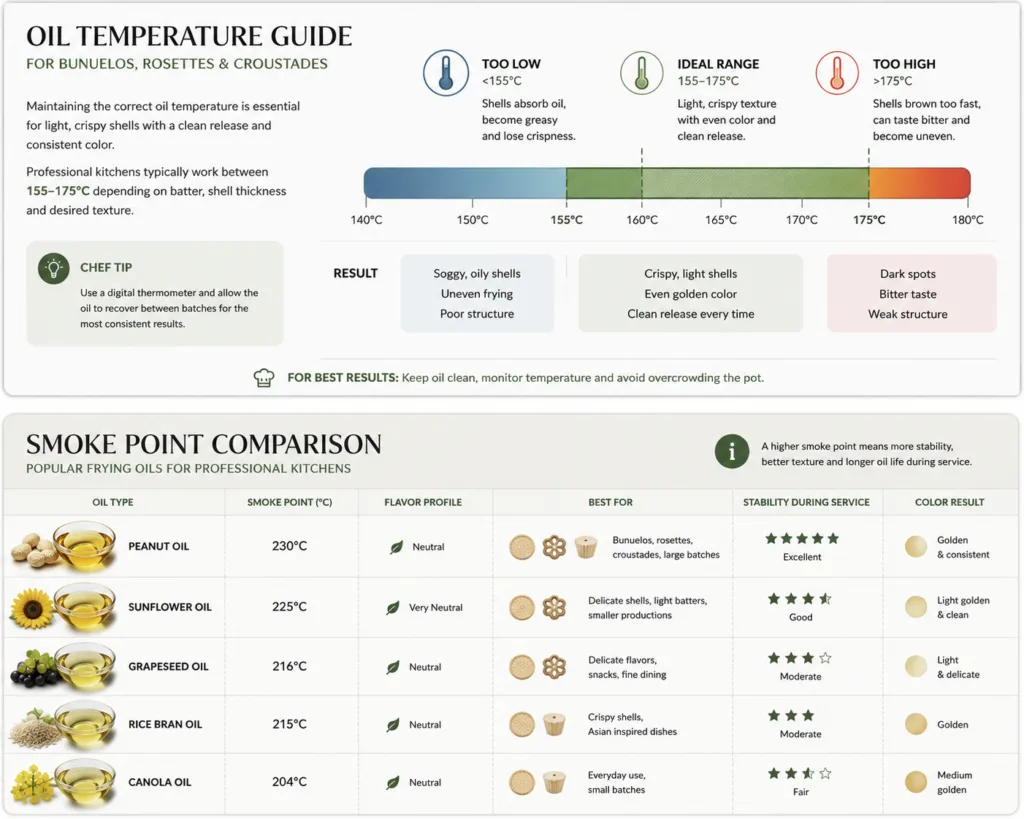
- hoher Rauchpunkt
- stabile Bratleistung
- Lange Haltbarkeit
- sauberer, knackiger Abgang
Vorteile von Erdnussöl
- Ausgezeichnete Temperaturstabilität
- Erzeugt hocharme Knochen
- Behält die Struktur gut bei
- Weniger Geschmacksübertragung zwischen Chargen
- Starke Leistung bei großer Produktion
Potenzielle Nachteile
- Etwas teurer
- Allergenbedenken in einigen Küchen
Viele Restaurants bevorzugen Erdnussöl bei der Herstellung großer Mengen von Bunuelos oder Croustades, da das Öl während des Services länger stabil bleibt. Es wird häufig als das beste Öl für Bunuelos in der Großproduktion angesehen, und für viele Teams ist es auch das beste Öl für Croustades während eines anhaltenden Services.
Sonnenblumenöl
Sonnenblumenöl ist ein weiteres weit verbreitetes Öl für Rosetten und knusprige Gebäckschalen.
Vorteile von Sonnenblumenöl
- Sehr neutraler Geschmack
- Leichte, saubere Oberfläche
- Leichte Verfügbarkeit
- Funktioniert gut für empfindliche Schalen
Potenzielle Nachteile
- Kann bei Hochvolumenfrittieren schneller abbauen
- Leicht weniger stabil im Langzeitbetrieb
Sonnenblumenöl wird oft für kleinere Produktionen oder dann bevorzugt, wenn Köche ein extrem neutrales Geschmacksprofil wünschen.
Rauchpunkt und warum er wichtig ist
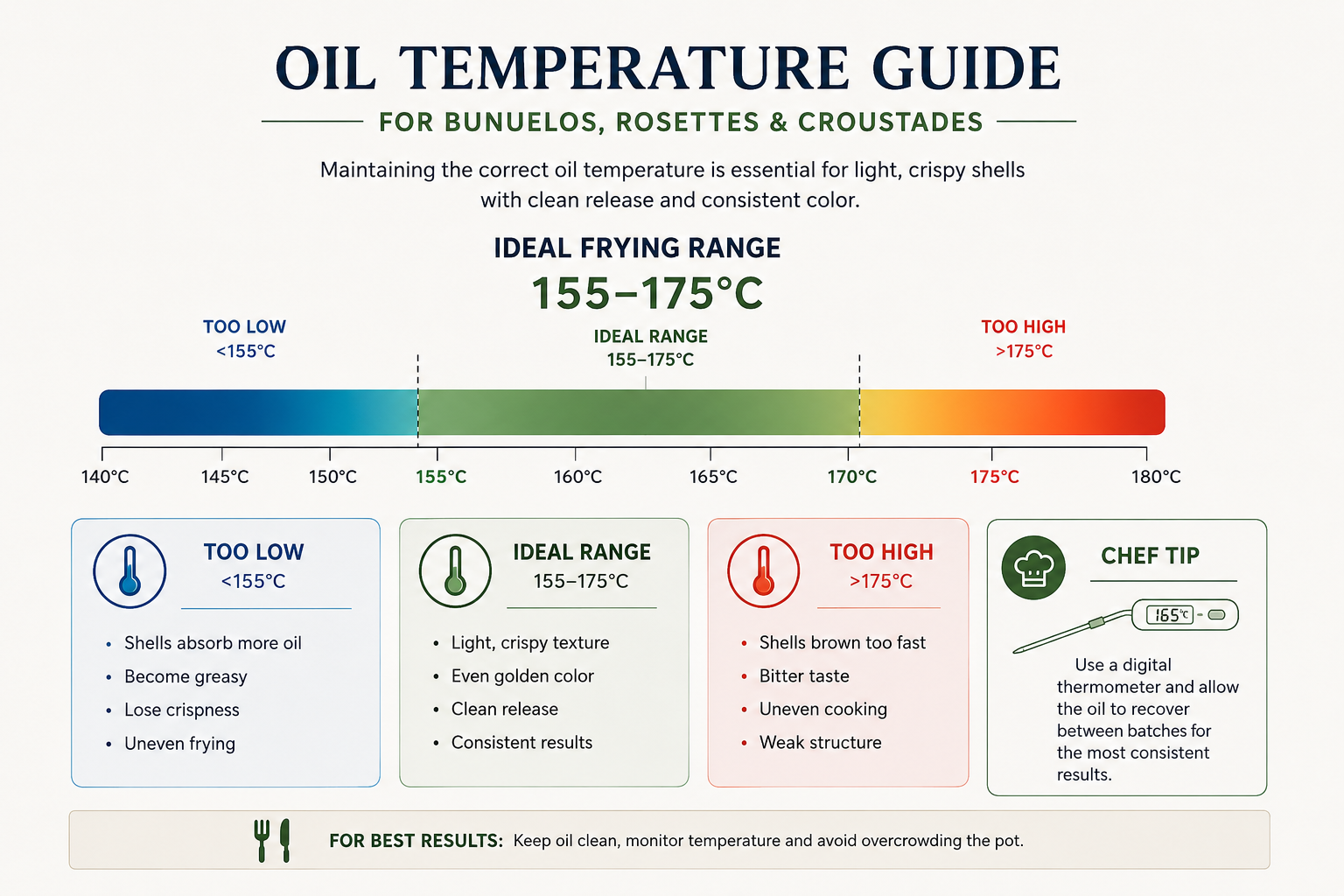
Der Rauchpunkt gibt die Temperatur an, bei der Öl zu zerfallen beginnt und Rauch produziert.
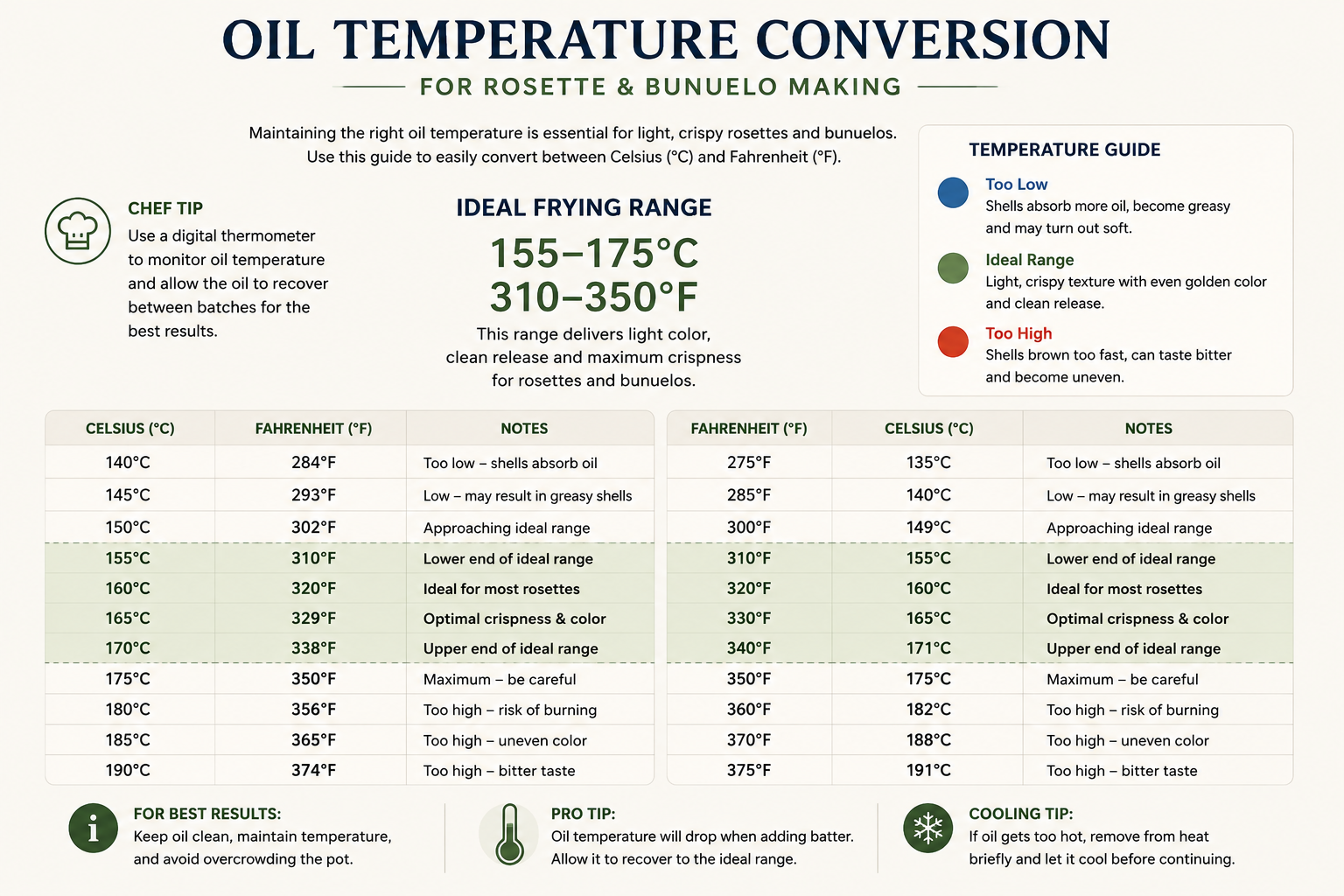
Für knusprige Bunuelos und Rosetten ist die Einhaltung der richtigen Frittiertemperatur entscheidend.
Die meisten professionellen Küchen arbeiten zwischen:
155-190°C
abhängig von:
- Batteriehydrierung
- Schalendicke
- gewünschte Knusprigkeit
- Bratgeschwindigkeit
Die Verwendung von Öl mit niedrigem Rauchpunkt kann Folgendes erzeugen:
- bitterer Geschmack
- dunkle Färbung
- instabiles Braten
- fettige Muscheln
Stabiles Öl ermöglicht ein gleichmäßiges Frittieren von Schalen, während die leichte Struktur und die saubere Textur erhalten bleiben.
Warum Profi-Küchen neutrale Öle bevorzugen
Moderne gehobene Küchen arbeiten oft mit feinen Füllungen und raffinierten Geschmacksprofilen.
Stark schmeckende Öle können überwältigen:
- Meeresfrüchtezubereitungen
- helle Cremes
- Kräuter
- Zitrus
- feine Desserts
Neutrale Öle ermöglichen es Köchen, sich auf das eigentliche Gericht zu konzentrieren, anstatt unerwünschte Geschmacksnoten vom Frittiermedium einzubringen.
Das ist einer der Gründe, warum Erdnuss- und Sonnenblumenöl in der professionellen Schalenproduktion weiterhin sehr beliebt sind.
Ölabbau während des Betriebs
Eine der größten Herausforderungen beim Restaurantservice ist die Ölalterung.
Wenn Öl zerfällt:
- Muscheln verdunkeln sich schneller
- Die Textur wird dichter
- knusprigkeit nimmt ab
- Das Braten wird unbeständig
Professionelle Küchen überwachen sorgfältig:
- Ölfarbe
- Viskosität
- Sedimentansammlung
- Bratgeruch
- Erholungsgeschwindigkeit nach Batches
Restaurants, die große Mengen an Rosetten oder Croustades herstellen, wechseln das Öl häufiger, um die Konsistenz während des gesamten Service aufrechtzuerhalten.
Farbkonsistenz in knusprigen Schalen
Fine-Dining-Küchen streben an:
- goldene Farbe
- dünne knusprige Struktur
- identische Darstellung über Service
Ölqualität spielt eine große Rolle für konsistente visuelle Ergebnisse.
Instabiles Öl kann Folgendes erzeugen:
- fleckige Färbung
- unregelmäßiges Braten
- dunklere Ränder
- ölige Oberflächen
Stabiles Frittieröl in Kombination mit einem richtig erhitzten rosette iron und den entsprechenden Formen trägt dazu bei, saubere, feine Schalen herzustellen, die sich für moderne Präsentationen eignen.
Die Wahl des richtigen Öls für den Arbeitsablauf im Restaurant
Das ideale Frittieröl hängt von Folgendem ab:
- Produktionsvolumen
- Bedienungsstil
- Schalendicke
- Bratfrequenz
- Küchenaufbau
Kleinere Produktionen
Viele Köche bevorzugen Sonnenblumenöl für:
- zarte Aromen
- geringeres Chargenvolumen
- Konditorei-fokussierte Anwendungen
Hochvolumiger Service
Großangelegte Restaurantproduktionen profitieren oft von:
- Erdnussöl
- Hochstabile Öle
- langsamere Zersetzung
- konstante Erwärmungstemperaturen
This becomes especially important when using the Doppelte Croustade Eisen oder FiveMount Croustade Eisen during busy service.
Wie Professionelle Rosetten-Eisen Systeme verbessern Frittierkonsistenz
Konsistente knusprige Hüllen hängen nicht nur vom Öl ab, sondern auch von:
- Formtemperatur
- Gleichgewicht
- Freigabekonsistenz
- gleichmässige Erwärmung
Professionelle Rosettensysteme sind darauf ausgelegt, Folgendes zu verbessern:
- Arbeitsablaufgeschwindigkeit
- Schalenkonsistenz
- Wärmeverteilung
- Produktionsstabilität
Austauschbare Systeme ermöglichen es Köchen auch, schnell zu wechseln zwischen:
- Rosetten
- Krapfen
- Krustade
- Flachkopf-Formen
- Spezialität Formschalen
während der Aufrechterhaltung einer stabilen Produktion während des Service.
Haben Sie unseren Marcus Jernmark gelesen? Schweineblatrezept?
Oder haben Sie vielleicht unser Rezept für ein Mini-Tarteboden in unserem Hummer Silikonform?
Fragen und Antworten
Frage: Wie sollte ich mich zwischen Erdnussöl und Sonnenblumenöl für Bunuelos, Rosetten und Croustades entscheiden?
Kurze Antwort: Wählen Sie das Öl passend zu Ihrem Produktionsstil. Für hohe Volumina und Dauereinsatz wird Erdnussöl wegen seines hohen Rauchpunktes, seiner hervorragenden Stabilität, seiner langen Lebensdauer und seines sauberen, knackigen Abgangs mit geringerer Geschmacksübertragung bevorzugt. Für kleinere Chargen oder wenn ein ultra-neutraler Geschmack oberste Priorität hat, eignet sich Sonnenblumenöl, das einen leichten, sauberen Abgang liefert, aber bei starker Beanspruchung schneller abgebaut wird. Allergenrichtlinien und Kosten können die Wahl ebenfalls beeinflussen.
Frage: Warum ist der Rauchpunkt beim Frittieren bei 155–190 °C wichtig?
Kurze Antwort: Das Arbeiten in der Nähe oder oberhalb des Rauchpunktes eines Öls beschleunigt dessen Abbau, was zu bitteren Aromen, dunklerer Farbe, fettiger Textur und instabilem Frittieren führt. Die Verwendung eines Öls mit hohem Rauchpunkt hält die Frittierumgebung bei 155–190 °C stabil und hilft dünnen Schichten, schnell und gleichmäßig zu garen, während eine leichte, knusprige Struktur erhalten bleibt.
Frage: Wie kann ich feststellen, ob mein Frittieröl während des Gebrauchs schlecht wird?
Kurze Antwort: Achten Sie auf schnellere Bräunung der Schalen, dichtere Textur, geringere Knusprigkeit und inkonsistentes Frittieren. Überwachen Sie die Ölfarbe, Viskosität, Sedimentablagerungen, den Frittiergeruch und wie schnell sich die Temperatur nach den Chargen erholt. Bei Stoßzeiten – insbesondere bei der Produktion von Rosetten oder Croustades in großen Mengen – ersetzen Sie das Öl häufiger, um die Konsistenz zu gewährleisten.
Frage: Wie behalte ich Farbe und Textur über mehrere Chargen hinweg konsistent?
Kurze Antwort: Verwenden Sie ein stabiles, neutrales Öl (oft Erdnussöl für hohe Volumina, Sonnenblumenöl für kleinere Mengen), halten Sie eine konstante Temperatur von 155–190 °C ein und stellen Sie sicher, dass die Formen/Eisen richtig erhitzt sind, um ein gleichmäßiges Ablösen und eine gute Wärmeübertragung zu gewährleisten. Tauschen Sie das Öl aus, sobald es sich zersetzt, und kontrollieren Sie Variablen wie die Teighydration und die Schalendicke, um eine gleichmäßige Farbe und Knusprigkeit zu erzielen.
Frage: Welche Rolle spielen professionelle Rosettensysteme bei der Erzielung konsistenter Ergebnisse?
Kurze Antwort: Professionelle Systeme verbessern die Workflow-Geschwindigkeit, die Wärmeübertragung, die Formbalance und die Entformungskonsistenz – alles entscheidend für dünne, empfindliche Schalen. Wechselbare Aufbauten ermöglichen es Teams, zwischen Rosetten, Buñuelos, Croustades und Spezialformen zu wechseln, ohne die Stabilität zu beeinträchtigen, und unterstützen so eine gleichbleibende Produktion während anspruchsvoller Einsätze (einschließlich Doppel-Eisen- oder Fünfer-Montagekonfigurationen).
-
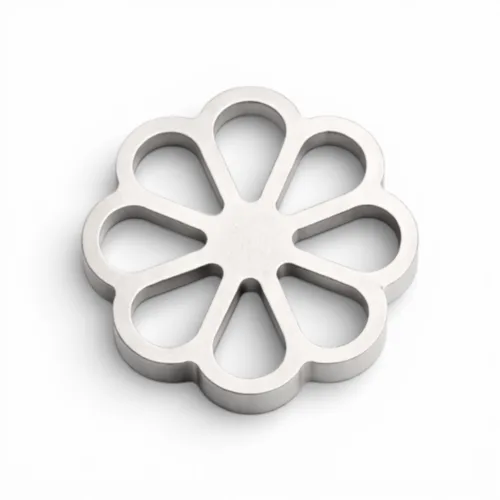
Rosetten-Krustaden-Eisen
500,00 kr.400,00 kr. 500,00 kr.400,00 kr. Inkl. MwSt.Ohne MwSt. Weiterlesen -
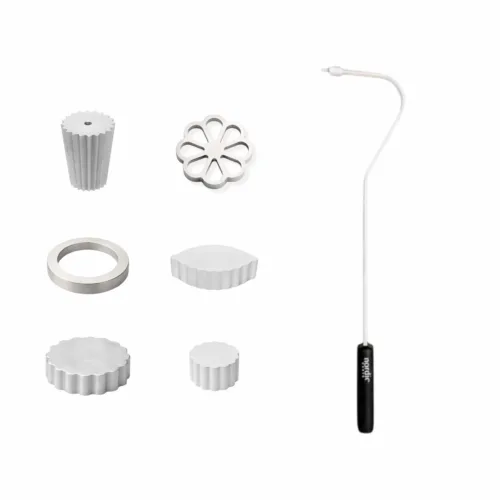
6-teiliges Rosetteneisen & Bunuelo-Formen-Set
2.990,00 kr. Ausführung wählen Dieses Produkt weist mehrere Varianten auf. Die Optionen können auf der Produktseite gewählt werden -
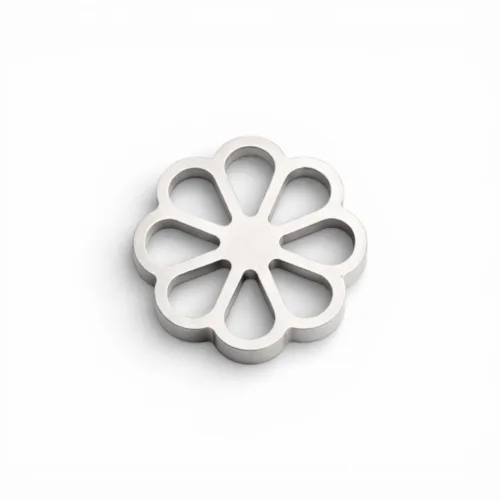
Kleine Rosetten-Croustade-Form
500,00 kr.400,00 kr. 500,00 kr.400,00 kr. Inkl. MwSt.Ohne MwSt. In den Warenkorb -
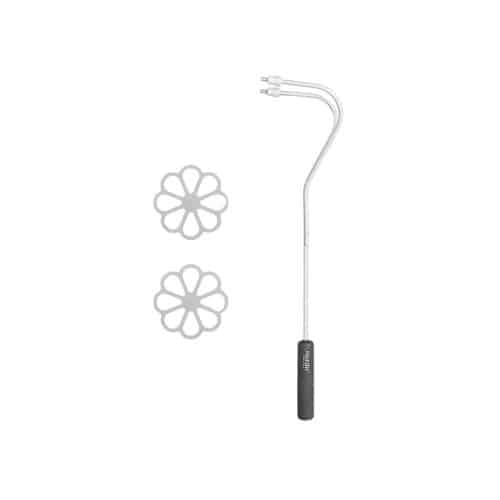
Rosetteneisen - Doppelgriff
1.190,00 kr.952,00 kr. Inkl. MwSt.Ohne MwSt. Ausführung wählen Dieses Produkt weist mehrere Varianten auf. Die Optionen können auf der Produktseite gewählt werden -
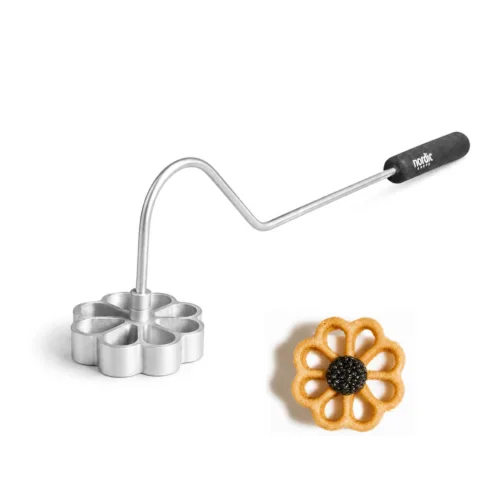
Rosette Eisen - Einhandbedienung
690,00 kr.552,00 kr. Inkl. MwSt.Ohne MwSt. Ausführung wählen Dieses Produkt weist mehrere Varianten auf. Die Optionen können auf der Produktseite gewählt werden -
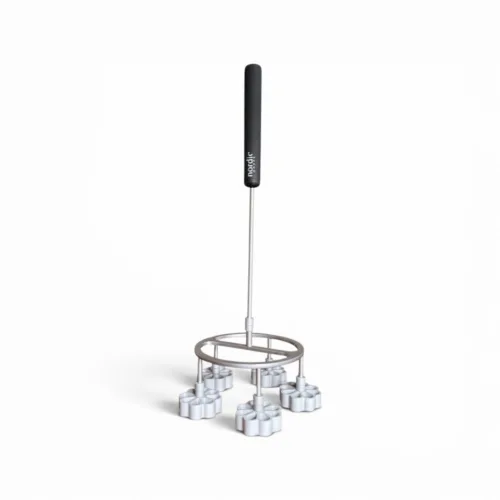
FiveMount Kleine Rosette Eisen
3.000,00 kr.2.400,00 kr. Inkl. MwSt.Ohne MwSt. Ausführung wählen Dieses Produkt weist mehrere Varianten auf. Die Optionen können auf der Produktseite gewählt werden